
There’s a lot of talk about equality these days, and with good reason. Exclusion is on the rise. People are being left out. Groups are ignored.
It’s no wonder that the mega, multi-national consumer goods corporation P&G started a #WeSeeEqual campaign, a push well-timed in today’s society of #MeToo and #TimesUp.
The campaign aims for a world free of gender bias that offers equal representation and voices for both women and men. It’s a powerful message that deserves praise and attention. Frankly, it’s hard to argue with or dispute any of its pleas. You can debate a lot of things in life, but equality isn’t one of them – it’s necessary and needed in a world filled with exclusion.
 But the campaign runs a bit contradictory when compared to another P&G effort, “Thank You Mom,” which resurfaces during each Olympics, as it did again during last month’s Winter Games. In it, we see an effort aimed at celebrating just one half of the parenting duo.
It’s one thing to market to a certain segment – as it’s doing with the “Mom” promotion – but another to want it both ways, as P&G emphatically implores us that “a world free from gender bias is a better world for all.”
Imagine what sports-loving dads were thinking when they watched regular nightly exclusion during the 17-day PyeongChang Games, as only mothers were thanked for helping athletes achieve their dreams. Meanwhile, these same dads would simultaneously encounter the #WeSeeEqual declaration, and another occasional P&G effort, #LoveOverBias – both exhorting humanity to treat everyone equally. Everyone, that is, except customers.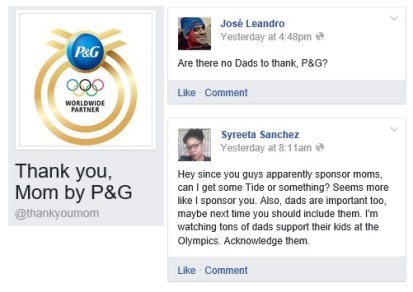
These conflicting messages aren’t just confusing, they’re actually illogical; it’s impossible to pair the word “equality” with brands that concurrently exclude fathers, but P&G has indeed done the impossible.
Media writers have praised the effort of #WeSeeEqual – and rightly so. On its own, it’s an incredibly commendable campaign and well-executed. But there’s no denying the mixed message it sends to dads and the parenting community.
If equality is going to mean something, the corporate world needs a genuine effort with a real, authentic backing – in word and in deed.
Otherwise a company is just selling products on a shelf, not a mission.

 Got This” slogan which offers wonderful parental assurance, but only for mom. Observe its one-sided slogan description: “Congratulations, mom! You just did the amazing and brought a beautiful baby into the world.” Wording like this ignores the indisputable fact that dad also just did the amazing and brought a beautiful baby into the world.
 tackle this mom thing.”


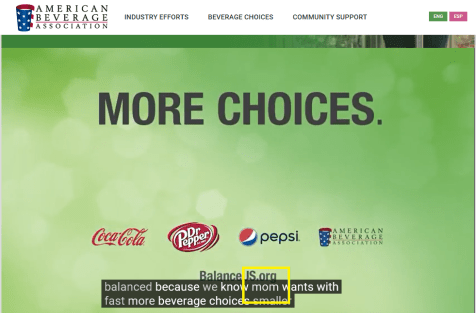

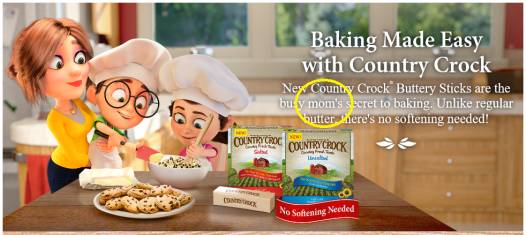 only that dads can’t bake, but can’t even handle
  We implore Unilever and Country Crock to take a strong look at how dads are treated and used in their marketing. Now is the time for its creative agency to view dads with a clean slate by erasing all the myths and misguided labels, which drag fathers down from being viewed as equal and adept parents.

 rewards and loyalty program specifically designed for moms. No, not parents – moms. But the awkwardness of the title reaches a crescendo when you discover that none of the program’s perks have anything to do with being female. It’s validated when you fill out the form to join; there’s no gender checkbox, which makes the overall effort mirror that of such parental exclusionary programs as


 In other words, is society really taking mothers seriously when all the focus is placed on them to the exclusion of fathers? Do mothers really want this heap of responsibility when scores of moms incessantly plead for help in the home and caring for children? Do mothers really want it all, as ads so often suggest: motherhood, career, and control of the household and family? Is it fair to portray women solely as happy homemakers in half of the ads and as sex objects in the other half?
