Good Dad Wenceslas

Good Dad Wenceslas looked ahead,
‘Tis time for cooking and cleaning.
Dishes stacked and toys about,
Holiday lights gleaming.
Though the brands said, “Mom does that,”
He just smiled and listened.
Equal care was happening ‘natch,
Though few had yet envisioned.

“Hither, child, bring me the broom,
We’ll fix what’s overflowing.
Work and love share all this room,
And both are worth our showing.”
Page and parent side by side,
Through the tasks they wander,
Proving that the season’s pride
Belongs to those who ponder.

Marketers, be not afraid,
Truth needs no invention.
Homes are built by hearts that trade
Patience, care, attention.
Tell the stories whole and clear,
Show what’s real and steady.
Dads are equal parents, yes,
Active, engaged and ready.

Therefore all who brands employ,
Hear this gentle warning:
Honor dads with love and joy,
Every night and morning.
When your message seeks what’s true,
Tell the full endeavor —
Every dad has been in view —
Side by side, forever.

Why Doesn’t Marketing See Dads as Actual Parents? (We’re Looking at You, Meal Kits)

Some like to criticize the movie industry for endless sequels and franchise remakes. It’s a safe approach to cashing in, but it doesn’t advance the art form and allow it to move forward.

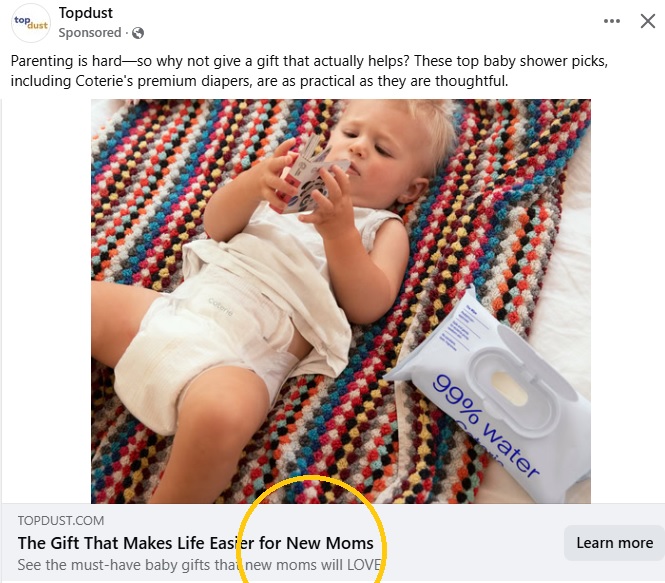
Marketing and media play the same game. They ignore dads, turning to the same strategy that insists moms are in charge despite knowing that things are different now.

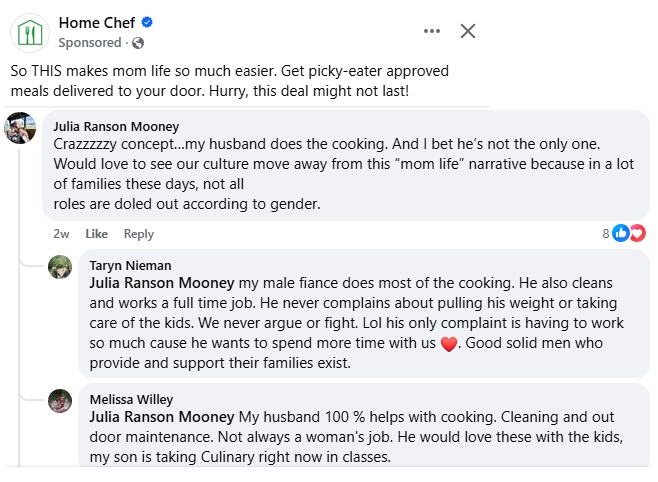
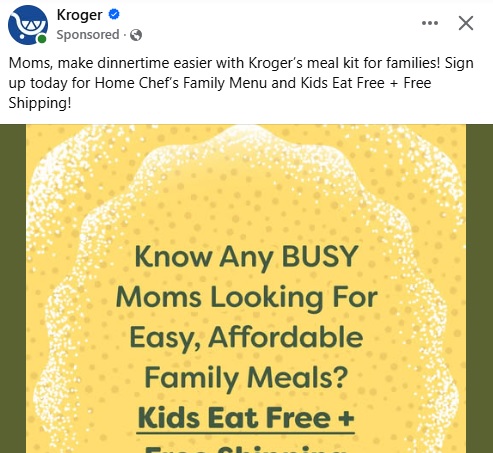
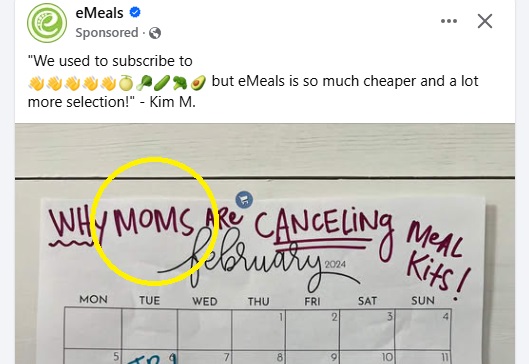
That’s because in today’s modern families, dads are equal, competent co-handlers of the household. They cook, shop, schedule, pack lunches, run laundry, and juggle the same mental load that moms do. Yet if you look at mainstream marketing, especially with regard to meal kits, the messaging is still stuck in the past: moms as the default parent, dads as either absent or comic relief.

So Why Hasn’t Marketing Caught Up?

First, there’s inertia. For decades, the advertising playbook relied on gendered roles, portraying moms as the domestic managers and dads as the weekend warriors. That framework gets recycled because it’s considered safe and familiar.

Second, social media has reinforced the gap. Hashtags like #MomLife or #MomHack have worked before, so brands lean into them for visibility. Meanwhile, dad-focused parenting communities – though vibrant – don’t get the same mainstream amplification.

Finally, there’s risk aversion. Marketers sometimes assume talking to dads in domestic roles is niche, when in fact it reflects a massive cultural shift. Younger generations of parents expect to see themselves represented as equals, and ignoring dads is not just outdated – it’s a missed market opportunity.

Want to Profit? Leave No Stone Unturned

The reality is simple: dads today are not background characters in their homes. They’re making purchasing decisions, handling logistics, and shaping family routines right alongside moms. Brands that fail to acknowledge this look tone-deaf, while those that embrace inclusive storytelling can build stronger, more authentic connections.

Meal kits still have a lot to learn. The dads don’t shop or cook myth does an equal disservice to women by inferring that a mother’s place is in the kitchen, heaping the entire load of meal planning into their lap. Moms don’t want that stigma, either.

It’s time for marketing to catch up to modern family life. Families have changed. Shopping has changed. Kitchens have changed. The question is, will the marketing finally change, too?

Why Leaving Out Dad Hashtags is a Strategic Miss in Parenting Marketing

Hashtags aren’t quite the powerhouse they were in the early Instagram/Twitter days, but they are also more than throwaway add-ons. They’re signals of who a brand sees, values, and wants to engage with, and yet it’s common to see posts stacked with #momlife while #dadlife is nowhere in sight – even when the product itself is completely gender-neutral.

Take this post (right) from Amara Organic Foods, which excludes dads throughout its list of 24 hashtags. At first glance, this might seem harmless. But strategically, it’s a mistake. Here’s why.

Reinforcing Outdated Stereotypes

For decades, marketing has defaulted to “mom as the parent,” assuming mothers make all the household decisions. While moms are important, today’s parenting is far more balanced. Leaving dads out not only misrepresents reality but also reinforces the very stereotypes many consumers want brands to move beyond.

Missing Half the Market

We all know today’s dads are engaged: cooking, caregiving, shopping, and searching for parenting hacks online. Excluding dad hashtags sends the signal that a brand isn’t speaking to them. That weakens loyalty and narrows the potential audience.

Analytics Blind Spots

Some teams argue that moms dominate their current follower base, hence the reason why they push messages to them. But this becomes a self-fulfilling loop: if you never tag dads, you’ll never reach them. Inclusive hashtags expand reach and help build communities that reflect the real makeup of your customer base.

Brand Perception and Inclusivity

Consumers notice when brands ignore inclusivity, and today’s families want to see themselves represented accurately. A feed that skews exclusively toward moms – or sounds like it was written by one gender – looks tone-deaf, even when unintentional.

The fix is simple: use a balanced mix of parenting hashtags that acknowledge all caregivers. Inclusivity isn’t just good ethics, it’s good marketing. Companies that recognize dads in the parenting conversation will expand their reach, strengthen brand trust and stand out in a crowded market.

Who Carries the Responsibility? Spoiler: It’s Both Parents

Culturally, society tends to assume that moms carry the emotional and domestic weight of the family. We hear it in media all the time: how exhausting motherhood is, how no one sees what moms go through, how they’re stretched too thin. And none of that is wrong. Motherhood is exhausting. The emotional and logistical juggling act is real.

But here’s what often gets left out of the conversation: Fatherhood is just as heavy, and just as invisible.

Not in a competitive way. Not to minimize anyone’s struggle. But to recognize that society still rarely asks what dads are going through. Marketing and media are nearly oblivious to it.

The Quiet Pressure Dads Feel

Today’s dads are not coasting. They’re on the front lines everyday doing school drop-offs, late-night feedings, managing bills, fixing the faucet, and still fielding work emails from the sidelines of a soccer game. They’re active partners, not just “helping out” but fully responsible for the well-being of families.

Yet they often get left out of the narrative. Their exhaustion is quiet. Their fears are often kept to ourselves. And while moms are rightly offered support and solidarity, dads are more likely to hear: “Well, that’s your job, so man up.”

It’s Not About Keeping Score

This isn’t about who has it harder. It’s about mutual understanding. When we focus only on one parent’s burden, we risk ignoring the full picture and missing the chance to support each other better.

Because if moms feel like no one understands them, and dads quietly feel the same way, maybe what parents really need is to listen to each other. To stop assuming and start asking. To admit that yes, this is hard for both parents. And it’s okay to say that out loud.

No one is supposed to carry the pressure of family life alone, neither moms nor dads. It’s supposed to be managed together.

How the AI Era Is Changing Fatherhood

Parenting looks a lot different than it did just a decade ago, and it’s no surprise that artificial intelligence is playing a part. From smart baby monitors to AI tutors, technology is increasingly embedded in daily family life. For dads, this shift presents new opportunities and new responsibilities.

Changing Marketing and Home Life

Stereotypically sidelined by marketing and media, society now sees fathers as visible even though they always were. And that’s because AI is making them even more able to be seen, plus more influential and efficient. Today’s dad might ask ChatGPT to help plan a healthy dinner, use an AI-powered calendar to juggle soccer practice and school pickups, or monitor sleep patterns with a smart crib. These tools are reshaping the way dads operate with caregiving.

AI is also pushing back on those outdated labels. That’s because any parent can rely on the same digital assistants and tools, which levels the playing field. In fact, some dads are becoming the tech-forward problem-solvers of the household, managing everything from virtual parent-teacher meetings to budgeting apps.

Tech as a Tool, Not a Crutch

But the rise of AI in parenting also comes with challenges. Are we outsourcing too much of the mental load to machines? Are dads using these tools to genuinely connect or to just automate? Like any innovation, it depends on how it’s used.

The good news is that AI gives fathers a chance to be more engaged. That will ultimately shape the way, say, a national brand diaper manufacturer sees fathers.

So, the future of fatherhood isn’t just about embracing technology; it’s about using it to build stronger, more balanced families where dads are rightly seen as equal, competent parents.

Google Search Trends That Prove Dads Are All In

For decades, the cultural script around parenting has cast dads as the stereotypical sidekick. He’s the guy who burns dinner, buys the wrong diapers, or babysits his own kids like he deserves a medal. Yuck.

But there’s mounting evidence that this outdated and wildly inaccurate narrative is crumbling, and Google’s search bar is one of the most honest mirrors we have. Because if you want to know what people actually care about, just look at what they’re Googling at 2 a.m.

The Search Bar Doesn’t Lie

A dive into recent Google Trends and keyword data reveals a clear shift: new dads are searching for parenting guidance in large and growing numbers.

Search terms like:
• “how to get baby to sleep through the night dad”
• “best baby carriers for dads”
• “mental load in parenting”

…have all seen significant year-over-year growth. Some, like “stay-at-home dad schedule,” have doubled in volume over the last five years.

These aren’t idle curiosities. They’re search queries driven by lived experience. Despite what commercials and media tell you, everyday dads are hungry for resources, advice, and yes, even gear that speaks directly to them.

Brands Are Still Behind

Despite this data, the marketing world hasn’t fully caught up. A recent audit of parenting product ads across social media showed that fewer than 20% featured dads in a primary caregiving role.

That’s a missed opportunity, and not just for representation, but for revenue. Dads are:

• Spending more time with their kids than any previous generation.
• Making household purchasing decisions.
• Demanding products and content that don’t insult their intelligence or erase their role.

What This Means for Marketers

If your brand is still marketing diapers, strollers, or family tech like it’s 1965, you’re not just being tone-deaf, you’re leaving money on the table. Today’s dads are searching for guidance, connection, and products that respect their role. Show up where they’re searching. Speak their language. And most importantly, treat them like the parents they already are.

Because the modern dad isn’t waiting for permission. He’s already all in.

Why So Many Lists About What Dads Want for Father’s Day?

Every June the internet explodes with listicles: “27 Father’s Day Gifts He’ll Actually Use,” “Top 10 Things Dad Really Wants,” “The Best Gifts for the Dad Who Has Everything.” But why so many? Why does Father’s Day, unlike say, Mother’s Day, seem to spark such a frenzy of guesswork? The answer says less about dads being “hard to shop for” and more about how we understand (or misunderstand) fatherhood.

The Cultural Fog Around Fatherhood

For decades, the dominant cultural script cast fathers as providers, disciplinarians, or distant authority figures. That left little room for emotional nuance, or clear communication about what dads might want, especially in the context of family appreciation.

So when Father’s Day comes around, many people are left guessing. What does dad want? A new grill? A power tool? Just to be left alone for the afternoon?

We don’t ask these questions because dads are mysterious. We ask them because culturally, we’ve been a little out of practice when it comes to listening to or celebrating fathers beyond their functional roles.

Because Fatherhood Is Evolving

Today’s dad is as equally invested and involved as today’s mom. But marketing and media haven’t quite caught up. Instead of recognizing dad as a fully competent parent, many brands still cater to the “man cave” fantasy, the lawn-mowing archetype, or the dad-as-jokester trope.

That gap between real dads and stereotyped dads creates confusion, and more lists. We’re trying to pin down what kind of dad we’re shopping for in a culture where the true image of fatherhood shifted a long time ago.

Because Dads Don’t Always Say What They Want

There’s also the simple fact that many fathers don’t articulate what they’d like. Not because they don’t have preferences, but because many men are conditioned not to express desire. They tend to put others first, namely, their spouses and children. This is what’s called decorum. They’re fine with giving their families the spotlight. This is the reason dads are in videos and photos less often. They’re the ones holding the camera and letting others be seen. Dads also may not articulate what they’d like because it’s practical or tied to productivity. So instead of saying, “I’d love a handwritten letter,” or “Let’s spend the day together unplugged,” many dads default to “I don’t need anything,” which leaves loved ones scrambling for clues. Cue the onslaught of online gift guides.

Because Marketers Still Don’t Know How to Tie Emotion to Dads

Let’s be honest: emotional tone doesn’t sell as fast as grills or ties. Many brands lean into clichés because they’re safe and familiar. But they miss the mark when it comes to what many dads actually want: to be seen, appreciated, and included in the emotional core of the family. Without question, they want to hear “I love you.”

Lists keep multiplying because we’re still trying to decode what fatherhood really means, and what appreciation should look like for someone who gets excluded in marketing copy and visuals. Peruse dadmarketing.com and you’ll be shocked at the number of companies still ignoring fathers today.

So…What Do Dads Want?

It’s different for every father, of course. But more than socks or steak knives, many dads want to feel respected, trusted, and loved for who they are, not just what they provide.

Maybe the real question isn’t what to buy dad, but how to recognize him.

And until that becomes the norm, we’ll keep scrolling through lists, searching not just for the perfect gift—but for a clearer picture of fatherhood itself.

Get ‘Ems by Gerber – What Are Dads Supposed to Get?

Gerber launched a new product line for toddlers called Get ‘Ems – small, poppable snacks designed for little hands and on-the-go parents. The concept? Smart. The packaging? Cute. The marketing? Disappointing.

If you’ve been following Gerber’s social media lately, you’ve probably noticed the trend:

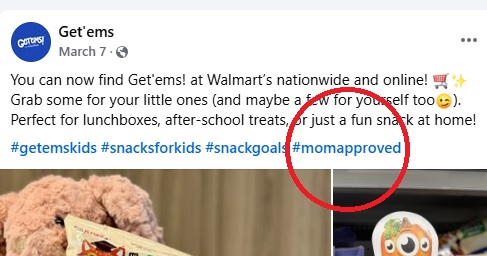
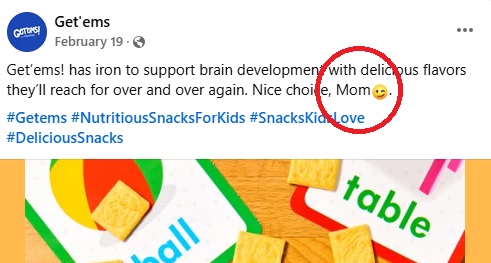
  • “…made with the good stuff moms love too”
  • “…Mom’s stamp of approval”
  • “Nice choice, Mom”
  • #momapproved

The implication is loud and clear: when it comes to feeding toddlers, Gerber sees moms – not parents – as the default audience.

This kind of gendered marketing isn’t new. But it’s especially disheartening coming from a legacy brand like Gerber, which has the reach and influence to shape how we think about modern parenting. In 2025, we should be past this old-fashioned stereotype.

The truth is: dads buy snacks too. Dads do school pickup. Dads pack the diaper bag, prep meals, and handle snack time in the minivan.

Dads aren’t fringe players in the parenting game – they’re in it, every day, just like moms.

So when a major brand rolls out a new product and makes a big splash across Instagram, TikTok, and Facebook with mom-only messaging, it sends a signal. Not just to fathers, but to kids, and to the culture at large: “Only certain customers matter.”

But here’s the thing: parenting isn’t a marketing niche carved out just for women. It’s a shared experience that deserves inclusive language and thoughtful messaging.

Imagine if Gerber said:

  • “…made with the good stuff parents love too”
  • “…A parent’s stamp of approval”
  • “Nice choice, Mom & Dad”
  • #parentapproved

Not only would that resonate with modern families – it would reflect the reality of how parenting works now. Tradition runs deep, but that’s no excuse to keep leaving dads out of the frame.

Brands like Gerber have an opportunity (and frankly, a responsibility) to lead with messaging that reflects today’s diverse parenting landscape. Because the more dads feel seen, that’s good for everyone – kids included – because it strengthens families. And for companies, it maximizes ROI.

Gerber, we’ve been through this before, so here’s a tip: Next time you’re brainstorming social media posts, try ones that don’t assume who’s doing the snack run.

Dads see the Get ‘Ems. They just want to be seen, too.

Dads and Baby Products: The Silent Exclusion

Walk into any baby store, scroll through parenting ads, or casually monitor activity in the baby industry, and you’ll notice a common theme: moms, moms, and more moms. From diaper commercials to stroller promotions, marketing for baby products overwhelmingly assumes that mothers are the primary (or sometimes only) buyer and user.

Sadly, fathers are largely left out of the conversation. This silent exclusion doesn’t just reinforce outdated stereotypes – it also ignores half of the parenting population and paying customers.

Marketing That Talks Only to Moms

Many brands still operate under the assumption that moms are the default caregivers. Product packaging, ad campaigns and influencer programs often use phrases like “mom-approved” or “designed for moms.” While there’s nothing wrong with celebrating motherhood, the exclusive focus on moms sends a clear message: dads aren’t expected to be involved in baby care.

Consider baby gear commercials – how often do you see a dad confidently installing a car seat, choosing a baby carrier, or reviewing the latest diaper brand? More often than not, if a dad appears at all, he’s either a passive background character or the goofy, well-meaning parent who fumbles through tasks that moms are shown handling effortlessly.

This approach ignores the reality of modern parenting. Dads today are involved, yet brands still act like they don’t exist.

Mommy’s Bliss and Brand Ambassadors

One glaring example of dad exclusion comes from the brand Mommy’s Bliss, which sells baby products like gripe water, probiotics and vitamins. The company runs an ambassador program to promote its products, but it explicitly names who it wants as its helpers – making it clear that dads need not apply.

This kind of messaging reinforces the unfair idea that baby care is a mother’s domain. It tells dads that their role in purchasing, using and endorsing baby products isn’t valued. Meanwhile, brands are missing out on an entire audience of engaged fathers who also make buying decisions and influence other parents.

Why This Matters (And Why Brands Should Care)

By ignoring dads, brands are not only reinforcing outdated gender roles, they’re also leaving money on the table. Studies show that fathers today are making more purchasing decisions for their children than ever before. According to a 2019 study by Nielsen, millennial dads spend an average of $2,300 more per year on child-related expenses than previous generations.

Yet, when dads walk down the baby aisle, they’re met with pink packaging, “made for moms” messaging, and influencer campaigns that assume only women are the decision-makers.

Brands that truly want to connect with modern families need to rethink their approach. Easy, small shifts can go a long way in making dads feel seen – and in turn, more likely to engage with and trust a brand.

Time for Brands to Step Up

The exclusion of dads from baby product marketing isn’t always intentional, but that doesn’t make it any less harmful. It perpetuates the idea that dads are secondary parents, reinforcing a cultural script that tells men they are merely “helpers” in childcare rather than equal partners.

If brands want to be truly inclusive, they need to stop treating fathers as an afterthought. It’s time for marketing to reflect what today’s parenting landscape actually looks like: dads changing diapers, wearing newborns in carriers, pushing strollers – and making buying decisions.

Are brands like Mommy’s Bliss ready to take action?

Dreft’s Checklist: Why Is Dad Left Out?

When it comes to preparing for a new baby, brands love to be part of the journey. They offer checklists, guides, and must-have products to make the transition smoother. But sometimes they miss a crucial part of the equation: dad.

Take Dreft, the well-known baby laundry detergent brand. On their website, they offer a guide titled “Hospital Bag Checklist for Mom and Baby.” Sounds helpful, right? Except for one glaring omission – dad isn’t mentioned.

Why does this matter?

The title alone sends a message: preparing for birth is a two-person job, but only one person matters. While moms undeniably do the heavy lifting by way of pregnancy and birth, dads are deeply involved in the preparation, support and care. Whether it’s packing essentials, coaching through labor, or being the first to snuggle their newborn, dads aren’t just background characters in this story.

By excluding dads, brands reinforce outdated narratives – ones where fathers are either optional or unprepared. But in reality, modern dads are alive, active and well. They’re hands-on, and they deserve recognition for their role as equal parents.

How brands can do better

Dreft, and brands like it, have an opportunity to shift the narrative. Instead of assuming dads don’t need a hospital checklist, why not include them? A simple “Hospital Bag Checklist for Parents and Baby” would be a step in the right direction.

In the section about support people, they don’t employ the words “dad” or “father” anywhere on the page. By making small tweaks to their messaging, brands can embrace the fact that parenting isn’t just a mom thing – it’s a dad thing, too. Better yet, it’s a team effort.

Dads are ready. Are brands?

Dreft’s exclusion of dads in something as simple as a hospital bag checklist is a small but telling sign of a bigger problem. Fathers are competent, involved parents, and it’s time for brands to acknowledge it.

So, Dreft – how about a quick edit? Because in 2025, dad shouldn’t be an afterthought.