If you’ve ever brought a child into the world, chances are you’ve used NUK products. Whether it’s bottles, teethers or tableware, NUK is easy to be found in the childcare world.
Yet for a company that’s been around for almost 60 years, NUK doesn’t appear to be listening to its customer base.
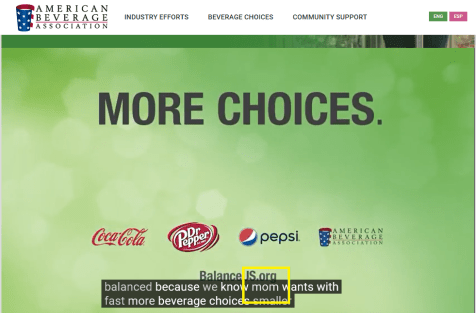
That’s because its marketing team has positioned its business as one of the more dad exclusionary companies around. On its website – nuk-usa.com – you’ll find repeated instances of an unrepresentative approach:
- A trademarked “You’ve
 Got This” slogan which offers wonderful parental assurance, but only for mom. Observe its one-sided slogan description: “Congratulations, mom! You just did the amazing and brought a beautiful baby into the world.” Wording like this ignores the indisputable fact that dad also just did the amazing and brought a beautiful baby into the world.
 - There you can also view a brief, inspirational video that expands on the “You’ve Got This” notion by not only repeatedly speaking to mom in name, but forgets to include even one moment of footage of a father in action.
- NUK employs use of the exclusionary hashtag #NUKMoms.

- It offers the “More for Moms Rewards Program.” And just in case you missed the program’s logo on the front page, there’s a box on the bottom right corner of nearly every page offering “Exclusive Savings Just for Mom.”
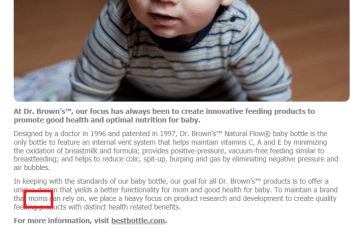
Interestingly, if not predictable, you won’t find a single image of a dad anywhere on its site, nor on social media. That’s where unquestionable irony sinks in. There are numerous cute faces of male babies and young boys used to sell NUK products. But then consider how those same faces will be ignored by the very company they represent once they become fathers later in life.
Its Twitter feed reinforces the notion that moms are its intended audience by insisting, “With some patience, creativity and expertly engineered products from NUK®, you can  tackle this mom thing.”
Imagine you’re a dad and reading, “…you can tackle this mom thing.”
If there were any further doubt as to whom it wants as customers, NUK seals the deal on its About Us page by declaring, “And we listen to the real world experts – moms just like you – to meet and exceed your needs.”
Dad knows what he’s doing every bit as mom. In today’s online shopping world where customers are sometimes only known by credit card numbers, it’s time that NUK takes a moment to embrace the other parent who knows a thing or two about nurturing.



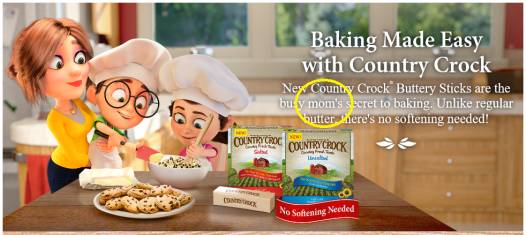 only that dads can’t bake, but can’t even handle
  We implore Unilever and Country Crock to take a strong look at how dads are treated and used in their marketing. Now is the time for its creative agency to view dads with a clean slate by erasing all the myths and misguided labels, which drag fathers down from being viewed as equal and adept parents.

 rewards and loyalty program specifically designed for moms. No, not parents – moms. But the awkwardness of the title reaches a crescendo when you discover that none of the program’s perks have anything to do with being female. It’s validated when you fill out the form to join; there’s no gender checkbox, which makes the overall effort mirror that of such parental exclusionary programs as


 In other words, is society really taking mothers seriously when all the focus is placed on them to the exclusion of fathers? Do mothers really want this heap of responsibility when scores of moms incessantly plead for help in the home and caring for children? Do mothers really want it all, as ads so often suggest: motherhood, career, and control of the household and family? Is it fair to portray women solely as happy homemakers in half of the ads and as sex objects in the other half?
 All of this is detrimental to families, of course, because it impedes the family from flourishing as it should without recognizing fathers as equal, competent parents.
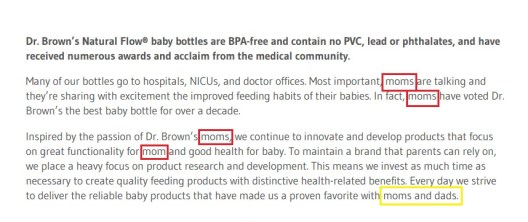 care of babies, or can’t bottle feed, or don’t want to. It’s all very troubling for a company that prides itself on