
For those of you who have children: when you talk about your kids to others, do you refer to them as “my kids” or “our kids”?
It’s a major difference, and that distinction of one word says a lot. The former connotes a more possessive or singular approach, whereas the latter sends a signal of togetherness and unity. If you use the “my” term, it may seem harmless and might be completely unintentional, but it conveys a certain message – like it or not – to others and to your partner.
Take a look at Noodle & Boo, makers of luxurious baby and pregnancy skin care. The product is found at high-end retailers, coveted by Hollywood stars, and it generally adheres to an impressive and upstanding company mission statement while supporting several charitable causes.
Now check out its latest ad, where it mentions “Only the best will do for her baby,” and the “first 100 mamas to follow @noodleandboollc and tag #mamaprofile with your favorite photo of you and baby…”
Isn’t the baby his, too?
 Don’t dads use social media?
We can’t deny that some products and ads are marketed toward a certain gender, especially pregnancy skin care. However, this ad was printed in a parents magazine. And this particular product line it’s selling in this ad – it’s for babies. That child is to be raised by parents, which includes dads. No marketing piece should ever exclude dads and make them to be the lesser parent, as if they don’t matter. Using the word “parent” instead of “mama” won’t make or break the business model, and it won’t make a female look away in disgust.
But it will make a dad feel included, feel like he matters to a company, and will make him take notice.
Believe us when we say dads notice. Take a look on social media to find all the dads fully engaged in marketing messages and how they’re portrayed by retailers. Old Navy, Huggies, Jif, Amazon – these are just a few of the companies that have been singled out by dads through viral campaigns to get them to change their ways.
It’s disappointing to see the exclusion in word choice and via advertisement photos, but that practice continues at its website, where a dad is nearly non-existent – save for a few celebrity dads it uses to sell its line of products.
When it comes to parenting, let’s hope Noodle & Boo acknowledges all the dads out there, because with Noodle & Boo, only the best will do, and dads count too.
 Last month on Mother’s Day, we overheard a young dad offering well wishes to a fellow friend, an elderly mom. The mom extended a kind “thanks” in return, and then shared with a smile:
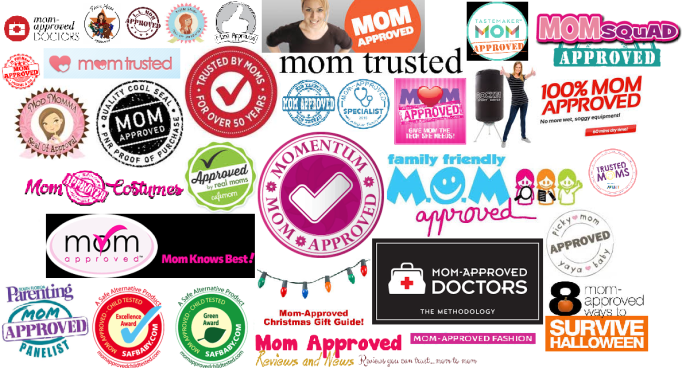 If you monitor the advertising, marketing, branding and packaging of products and services as much as we do, you’ll find that one phrase seems to pop up more than any other: mom-trusted.
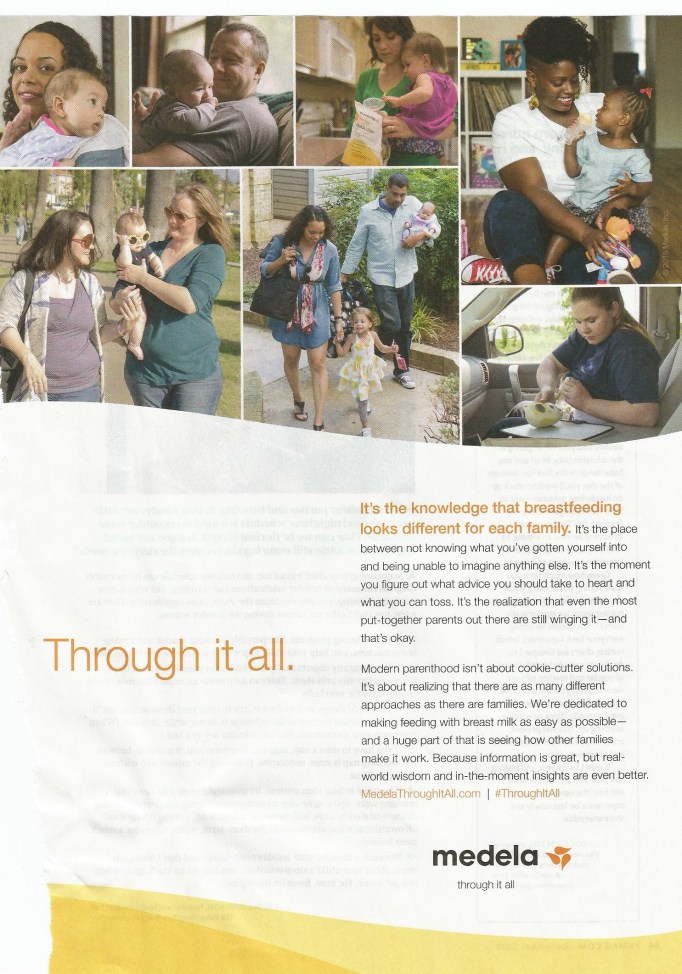 Whatever Medela is paying the people who handle its marketing and communications – it’s not enough.
 So if there was ever a company that could be excused for playing the dad omission card (not that it’s ever right), Medela would be it. But they don’t stoop to that inappropriate level – they include dads on its
 But then you have some products which seem to bemuse our perception, products which have been marketed for so long, positioned in such a convincing way and aimed at a certain audience that we’ve come to believe its use was envisioned strictly for one gender.
 A brief reflection upon its own history and founding – and a glance at its own latest ad – may encourage Boppy to return to its roots. Check out the bottom of this ad, where Boppy describes four of its product’s core uses, none of which have to do exclusively with moms (while physical breastfeeding does, general feeding – the word used in the ad – doesn’t).
 When a child starts playing sports, parents will do everything imaginable to be a part of that child’s team. Whether it’s organizing a booster club, volunteering at the concession stand, providing snacks, coaching, or simply cheering loudly from the stands, parents love to get actively involved.
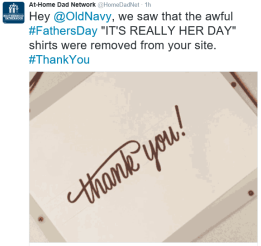 After more than a week of social media outcry concerning a misguided Father’s Day t-shirt, retailer Old Navy has finally pulled the item from its shelves. News of the removal was first reported by the National At-Home Dad Network.
 Consumers everywhere have demanded a response from Old Navy, but so far it has remained markedly quiet. Attempts to reach an Old Navy spokesperson have gone unanswered.
 Just when you think it’s safe in June – the month when dad gets his deserving due and eventual one day in the sun – retail company Old Navy drums up yet another t-shirt controversy to undermine dads in one cotton-polyester-blend swoop.
 It’s a nice breath of fresh air when someone isn’t afraid to show a dad in a nurturing, or dare we say, snuggly position. But that’s exactly the case with Arm’s Reach, who does what’s unfortunately the unthinkable for so many baby product companies – placing a baby carrier on dad.
 a less-than-flattering light while simultaneously making a mockery of fathers
  It would’ve been great to be a fly on the wall when the male model (featured in this ad) got the call from his talent agent to appear in this Similac magazine ad:
