Why Doesn’t Marketing See Dads as Actual Parents? (We’re Looking at You, Meal Kits)

Some like to criticize the movie industry for endless sequels and franchise remakes. It’s a safe approach to cashing in, but it doesn’t advance the art form and allow it to move forward.

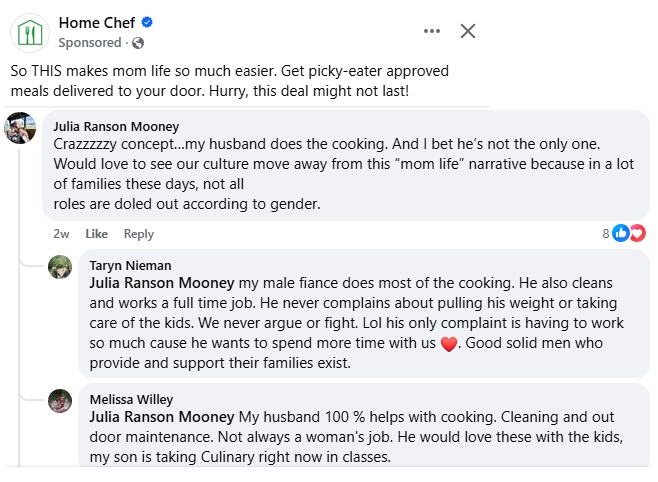
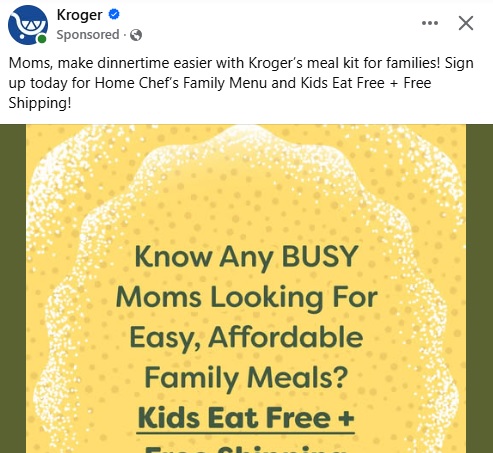
Marketing and media play the same game. They ignore dads, turning to the same strategy that insists moms are in charge despite knowing that things are different now.

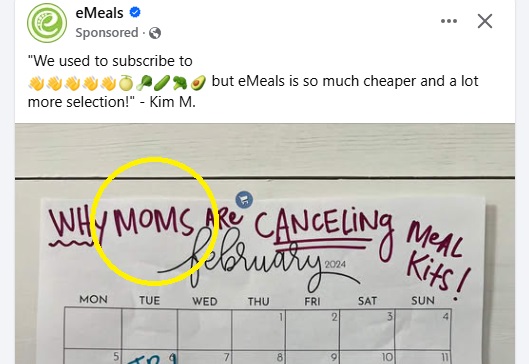
That’s because in today’s modern families, dads are equal, competent co-handlers of the household. They cook, shop, schedule, pack lunches, run laundry, and juggle the same mental load that moms do. Yet if you look at mainstream marketing, especially with regard to meal kits, the messaging is still stuck in the past: moms as the default parent, dads as either absent or comic relief.

So Why Hasn’t Marketing Caught Up?
First, there’s inertia. For decades, the advertising playbook relied on gendered roles, portraying moms as the domestic managers and dads as the weekend warriors. That framework gets recycled because it’s considered safe and familiar.

Second, social media has reinforced the gap. Hashtags like #MomLife or #MomHack have worked before, so brands lean into them for visibility. Meanwhile, dad-focused parenting communities – though vibrant – don’t get the same mainstream amplification.

Finally, there’s risk aversion. Marketers sometimes assume talking to dads in domestic roles is niche, when in fact it reflects a massive cultural shift. Younger generations of parents expect to see themselves represented as equals, and ignoring dads is not just outdated – it’s a missed market opportunity.
Want to Profit? Leave No Stone Unturned

The reality is simple: dads today are not background characters in their homes. They’re making purchasing decisions, handling logistics, and shaping family routines right alongside moms. Brands that fail to acknowledge this look tone-deaf, while those that embrace inclusive storytelling can build stronger, more authentic connections.

Meal kits still have a lot to learn. The dads don’t shop or cook myth does an equal disservice to women by inferring that a mother’s place is in the kitchen, heaping the entire load of meal planning into their lap. Moms don’t want that stigma, either.

It’s time for marketing to catch up to modern family life. Families have changed. Shopping has changed. Kitchens have changed. The question is, will the marketing finally change, too?

Who Carries the Responsibility? Spoiler: It’s Both Parents

Culturally, society tends to assume that moms carry the emotional and domestic weight of the family. We hear it in media all the time: how exhausting motherhood is, how no one sees what moms go through, how they’re stretched too thin. And none of that is wrong. Motherhood is exhausting. The emotional and logistical juggling act is real.

But here’s what often gets left out of the conversation: Fatherhood is just as heavy, and just as invisible.

Not in a competitive way. Not to minimize anyone’s struggle. But to recognize that society still rarely asks what dads are going through. Marketing and media are nearly oblivious to it.

The Quiet Pressure Dads Feel

Today’s dads are not coasting. They’re on the front lines everyday doing school drop-offs, late-night feedings, managing bills, fixing the faucet, and still fielding work emails from the sidelines of a soccer game. They’re active partners, not just “helping out” but fully responsible for the well-being of families.

Yet they often get left out of the narrative. Their exhaustion is quiet. Their fears are often kept to ourselves. And while moms are rightly offered support and solidarity, dads are more likely to hear: “Well, that’s your job, so man up.”

It’s Not About Keeping Score

This isn’t about who has it harder. It’s about mutual understanding. When we focus only on one parent’s burden, we risk ignoring the full picture and missing the chance to support each other better.

Because if moms feel like no one understands them, and dads quietly feel the same way, maybe what parents really need is to listen to each other. To stop assuming and start asking. To admit that yes, this is hard for both parents. And it’s okay to say that out loud.

No one is supposed to carry the pressure of family life alone, neither moms nor dads. It’s supposed to be managed together.

Why So Many Lists About What Dads Want for Father’s Day?

Every June the internet explodes with listicles: “27 Father’s Day Gifts He’ll Actually Use,” “Top 10 Things Dad Really Wants,” “The Best Gifts for the Dad Who Has Everything.” But why so many? Why does Father’s Day, unlike say, Mother’s Day, seem to spark such a frenzy of guesswork? The answer says less about dads being “hard to shop for” and more about how we understand (or misunderstand) fatherhood.

The Cultural Fog Around Fatherhood

For decades, the dominant cultural script cast fathers as providers, disciplinarians, or distant authority figures. That left little room for emotional nuance, or clear communication about what dads might want, especially in the context of family appreciation.

So when Father’s Day comes around, many people are left guessing. What does dad want? A new grill? A power tool? Just to be left alone for the afternoon?

We don’t ask these questions because dads are mysterious. We ask them because culturally, we’ve been a little out of practice when it comes to listening to or celebrating fathers beyond their functional roles.

Because Fatherhood Is Evolving

Today’s dad is as equally invested and involved as today’s mom. But marketing and media haven’t quite caught up. Instead of recognizing dad as a fully competent parent, many brands still cater to the “man cave” fantasy, the lawn-mowing archetype, or the dad-as-jokester trope.

That gap between real dads and stereotyped dads creates confusion, and more lists. We’re trying to pin down what kind of dad we’re shopping for in a culture where the true image of fatherhood shifted a long time ago.

Because Dads Don’t Always Say What They Want

There’s also the simple fact that many fathers don’t articulate what they’d like. Not because they don’t have preferences, but because many men are conditioned not to express desire. They tend to put others first, namely, their spouses and children. This is what’s called decorum. They’re fine with giving their families the spotlight. This is the reason dads are in videos and photos less often. They’re the ones holding the camera and letting others be seen. Dads also may not articulate what they’d like because it’s practical or tied to productivity. So instead of saying, “I’d love a handwritten letter,” or “Let’s spend the day together unplugged,” many dads default to “I don’t need anything,” which leaves loved ones scrambling for clues. Cue the onslaught of online gift guides.

Because Marketers Still Don’t Know How to Tie Emotion to Dads

Let’s be honest: emotional tone doesn’t sell as fast as grills or ties. Many brands lean into clichés because they’re safe and familiar. But they miss the mark when it comes to what many dads actually want: to be seen, appreciated, and included in the emotional core of the family. Without question, they want to hear “I love you.”

Lists keep multiplying because we’re still trying to decode what fatherhood really means, and what appreciation should look like for someone who gets excluded in marketing copy and visuals. Peruse dadmarketing.com and you’ll be shocked at the number of companies still ignoring fathers today.

So…What Do Dads Want?

It’s different for every father, of course. But more than socks or steak knives, many dads want to feel respected, trusted, and loved for who they are, not just what they provide.

Maybe the real question isn’t what to buy dad, but how to recognize him.

And until that becomes the norm, we’ll keep scrolling through lists, searching not just for the perfect gift—but for a clearer picture of fatherhood itself.

Get ‘Ems by Gerber – What Are Dads Supposed to Get?

Gerber launched a new product line for toddlers called Get ‘Ems – small, poppable snacks designed for little hands and on-the-go parents. The concept? Smart. The packaging? Cute. The marketing? Disappointing.

If you’ve been following Gerber’s social media lately, you’ve probably noticed the trend:

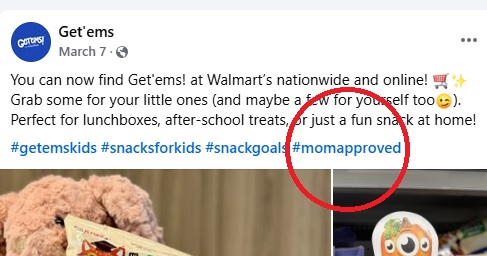
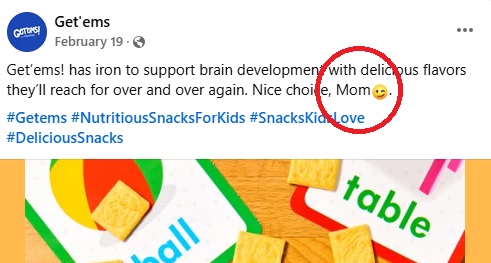
  • “…made with the good stuff moms love too”
  • “…Mom’s stamp of approval”
  • “Nice choice, Mom”
  • #momapproved

The implication is loud and clear: when it comes to feeding toddlers, Gerber sees moms – not parents – as the default audience.

This kind of gendered marketing isn’t new. But it’s especially disheartening coming from a legacy brand like Gerber, which has the reach and influence to shape how we think about modern parenting. In 2025, we should be past this old-fashioned stereotype.

The truth is: dads buy snacks too. Dads do school pickup. Dads pack the diaper bag, prep meals, and handle snack time in the minivan.

Dads aren’t fringe players in the parenting game – they’re in it, every day, just like moms.

So when a major brand rolls out a new product and makes a big splash across Instagram, TikTok, and Facebook with mom-only messaging, it sends a signal. Not just to fathers, but to kids, and to the culture at large: “Only certain customers matter.”

But here’s the thing: parenting isn’t a marketing niche carved out just for women. It’s a shared experience that deserves inclusive language and thoughtful messaging.

Imagine if Gerber said:

  • “…made with the good stuff parents love too”
  • “…A parent’s stamp of approval”
  • “Nice choice, Mom & Dad”
  • #parentapproved

Not only would that resonate with modern families – it would reflect the reality of how parenting works now. Tradition runs deep, but that’s no excuse to keep leaving dads out of the frame.

Brands like Gerber have an opportunity (and frankly, a responsibility) to lead with messaging that reflects today’s diverse parenting landscape. Because the more dads feel seen, that’s good for everyone – kids included – because it strengthens families. And for companies, it maximizes ROI.

Gerber, we’ve been through this before, so here’s a tip: Next time you’re brainstorming social media posts, try ones that don’t assume who’s doing the snack run.

Dads see the Get ‘Ems. They just want to be seen, too.

Do You Approve This Message?

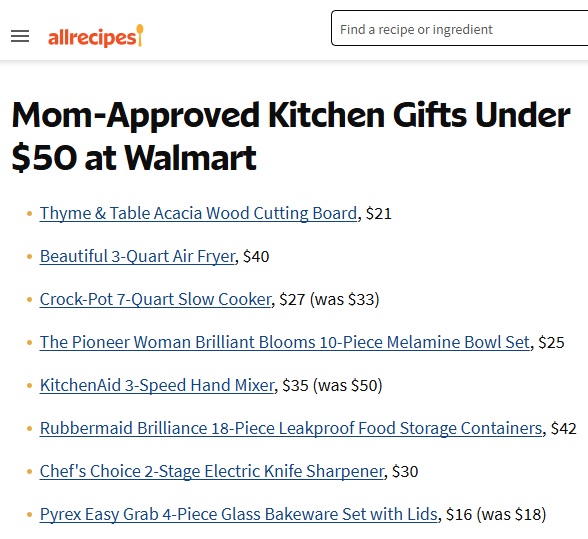
We’re a quarter through this new century, but the term “mom-approved” remains in use. It perpetuates a subtle yet significant exclusion of fathers from the parenting conversation. This exclusion is worth examining, particularly as societal norms shift toward recognizing the importance of parents as equals.

At its core, “mom-approved” is a gendered phrase that assumes mothers are the ultimate arbiters of what is best for children. This assumption reinforces the outdated stereotype that mothers are inherently more capable or involved in parenting decisions than fathers. While many mothers do play a central role in childcare, the same is true for fathers. Modern dads are indeed engaged in parenting. Yet, phrases like “mom-approved” suggest that their contributions are secondary or even invisible.

This language not only marginalizes fathers but also places undue pressure on mothers. By positioning moms as the default decision-makers, the phrase reinforces the idea that they bear the sole responsibility for their children’s well-being. This can perpetuate the “mom guilt” phenomenon, where mothers feel they must constantly prove their parenting competence, often at the expense of their mental and emotional health.

The exclusion of fathers in terms like “mom-approved” also has broader implications for how society views parenting roles. It subtly reinforces the idea that parenting is women’s work, making it harder for fathers to assert their role as equal partners. This can deter companies from creating products or services that explicitly cater to dads, further perpetuating a cycle of exclusion.

To build a more inclusive parenting culture, it’s crucial to rethink the language we use. Terms like “parent-approved” or “family-approved” are simple, gender-neutral alternatives that acknowledge the roles of all caregivers. These shifts in language might seem minor, but they can have a significant impact on breaking down stereotypes and fostering a more equitable view of parenting.

By moving away from “mom-approved” and adopting more inclusive terminology, we can celebrate the diversity of parenting experiences and ensure that all parents feel seen and valued. It’s time to recognize that the parenting world isn’t just a “mom’s club” – it’s a shared journey where everyone’s contributions matter.