Why Doesn’t Marketing See Dads as Actual Parents? (We’re Looking at You, Meal Kits)

Some like to criticize the movie industry for endless sequels and franchise remakes. It’s a safe approach to cashing in, but it doesn’t advance the art form and allow it to move forward.

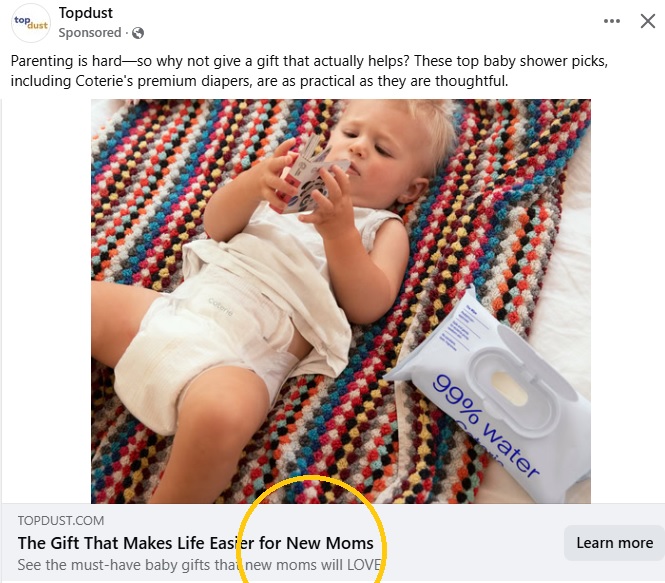
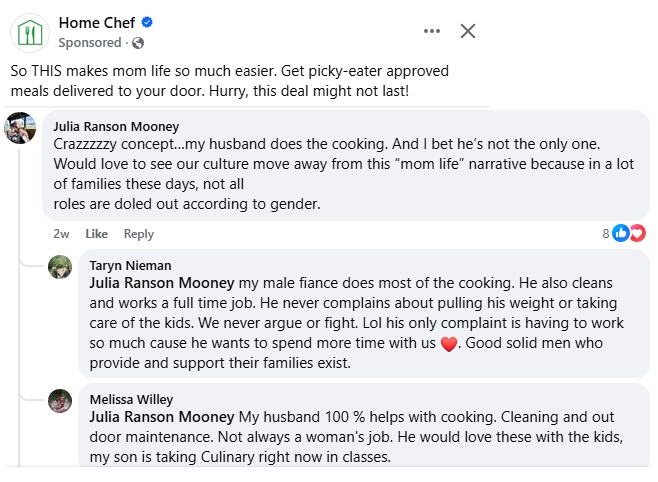
Marketing and media play the same game. They ignore dads, turning to the same strategy that insists moms are in charge despite knowing that things are different now.

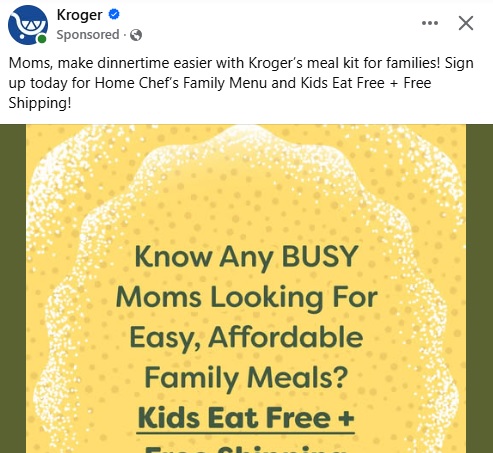
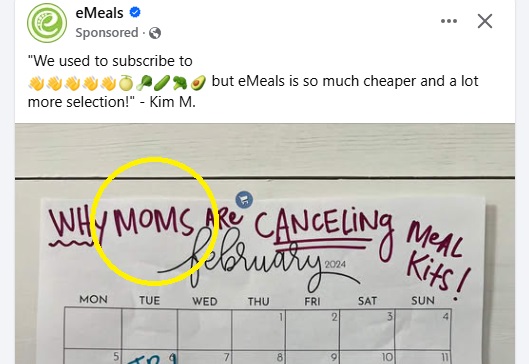
That’s because in today’s modern families, dads are equal, competent co-handlers of the household. They cook, shop, schedule, pack lunches, run laundry, and juggle the same mental load that moms do. Yet if you look at mainstream marketing, especially with regard to meal kits, the messaging is still stuck in the past: moms as the default parent, dads as either absent or comic relief.

So Why Hasn’t Marketing Caught Up?

First, there’s inertia. For decades, the advertising playbook relied on gendered roles, portraying moms as the domestic managers and dads as the weekend warriors. That framework gets recycled because it’s considered safe and familiar.

Second, social media has reinforced the gap. Hashtags like #MomLife or #MomHack have worked before, so brands lean into them for visibility. Meanwhile, dad-focused parenting communities – though vibrant – don’t get the same mainstream amplification.

Finally, there’s risk aversion. Marketers sometimes assume talking to dads in domestic roles is niche, when in fact it reflects a massive cultural shift. Younger generations of parents expect to see themselves represented as equals, and ignoring dads is not just outdated – it’s a missed market opportunity.

Want to Profit? Leave No Stone Unturned

The reality is simple: dads today are not background characters in their homes. They’re making purchasing decisions, handling logistics, and shaping family routines right alongside moms. Brands that fail to acknowledge this look tone-deaf, while those that embrace inclusive storytelling can build stronger, more authentic connections.

Meal kits still have a lot to learn. The dads don’t shop or cook myth does an equal disservice to women by inferring that a mother’s place is in the kitchen, heaping the entire load of meal planning into their lap. Moms don’t want that stigma, either.

It’s time for marketing to catch up to modern family life. Families have changed. Shopping has changed. Kitchens have changed. The question is, will the marketing finally change, too?

Why Leaving Out Dad Hashtags is a Strategic Miss in Parenting Marketing

Hashtags aren’t quite the powerhouse they were in the early Instagram/Twitter days, but they are also more than throwaway add-ons. They’re signals of who a brand sees, values, and wants to engage with, and yet it’s common to see posts stacked with #momlife while #dadlife is nowhere in sight – even when the product itself is completely gender-neutral.

Take this post (right) from Amara Organic Foods, which excludes dads throughout its list of 24 hashtags. At first glance, this might seem harmless. But strategically, it’s a mistake. Here’s why.

Reinforcing Outdated Stereotypes

For decades, marketing has defaulted to “mom as the parent,” assuming mothers make all the household decisions. While moms are important, today’s parenting is far more balanced. Leaving dads out not only misrepresents reality but also reinforces the very stereotypes many consumers want brands to move beyond.

Missing Half the Market

We all know today’s dads are engaged: cooking, caregiving, shopping, and searching for parenting hacks online. Excluding dad hashtags sends the signal that a brand isn’t speaking to them. That weakens loyalty and narrows the potential audience.

Analytics Blind Spots

Some teams argue that moms dominate their current follower base, hence the reason why they push messages to them. But this becomes a self-fulfilling loop: if you never tag dads, you’ll never reach them. Inclusive hashtags expand reach and help build communities that reflect the real makeup of your customer base.

Brand Perception and Inclusivity

Consumers notice when brands ignore inclusivity, and today’s families want to see themselves represented accurately. A feed that skews exclusively toward moms – or sounds like it was written by one gender – looks tone-deaf, even when unintentional.

The fix is simple: use a balanced mix of parenting hashtags that acknowledge all caregivers. Inclusivity isn’t just good ethics, it’s good marketing. Companies that recognize dads in the parenting conversation will expand their reach, strengthen brand trust and stand out in a crowded market.

Why So Many Lists About What Dads Want for Father’s Day?

Every June the internet explodes with listicles: “27 Father’s Day Gifts He’ll Actually Use,” “Top 10 Things Dad Really Wants,” “The Best Gifts for the Dad Who Has Everything.” But why so many? Why does Father’s Day, unlike say, Mother’s Day, seem to spark such a frenzy of guesswork? The answer says less about dads being “hard to shop for” and more about how we understand (or misunderstand) fatherhood.

The Cultural Fog Around Fatherhood

For decades, the dominant cultural script cast fathers as providers, disciplinarians, or distant authority figures. That left little room for emotional nuance, or clear communication about what dads might want, especially in the context of family appreciation.

So when Father’s Day comes around, many people are left guessing. What does dad want? A new grill? A power tool? Just to be left alone for the afternoon?

We don’t ask these questions because dads are mysterious. We ask them because culturally, we’ve been a little out of practice when it comes to listening to or celebrating fathers beyond their functional roles.

Because Fatherhood Is Evolving

Today’s dad is as equally invested and involved as today’s mom. But marketing and media haven’t quite caught up. Instead of recognizing dad as a fully competent parent, many brands still cater to the “man cave” fantasy, the lawn-mowing archetype, or the dad-as-jokester trope.

That gap between real dads and stereotyped dads creates confusion, and more lists. We’re trying to pin down what kind of dad we’re shopping for in a culture where the true image of fatherhood shifted a long time ago.

Because Dads Don’t Always Say What They Want

There’s also the simple fact that many fathers don’t articulate what they’d like. Not because they don’t have preferences, but because many men are conditioned not to express desire. They tend to put others first, namely, their spouses and children. This is what’s called decorum. They’re fine with giving their families the spotlight. This is the reason dads are in videos and photos less often. They’re the ones holding the camera and letting others be seen. Dads also may not articulate what they’d like because it’s practical or tied to productivity. So instead of saying, “I’d love a handwritten letter,” or “Let’s spend the day together unplugged,” many dads default to “I don’t need anything,” which leaves loved ones scrambling for clues. Cue the onslaught of online gift guides.

Because Marketers Still Don’t Know How to Tie Emotion to Dads

Let’s be honest: emotional tone doesn’t sell as fast as grills or ties. Many brands lean into clichés because they’re safe and familiar. But they miss the mark when it comes to what many dads actually want: to be seen, appreciated, and included in the emotional core of the family. Without question, they want to hear “I love you.”

Lists keep multiplying because we’re still trying to decode what fatherhood really means, and what appreciation should look like for someone who gets excluded in marketing copy and visuals. Peruse dadmarketing.com and you’ll be shocked at the number of companies still ignoring fathers today.

So…What Do Dads Want?

It’s different for every father, of course. But more than socks or steak knives, many dads want to feel respected, trusted, and loved for who they are, not just what they provide.

Maybe the real question isn’t what to buy dad, but how to recognize him.

And until that becomes the norm, we’ll keep scrolling through lists, searching not just for the perfect gift—but for a clearer picture of fatherhood itself.

Get ‘Ems by Gerber – What Are Dads Supposed to Get?

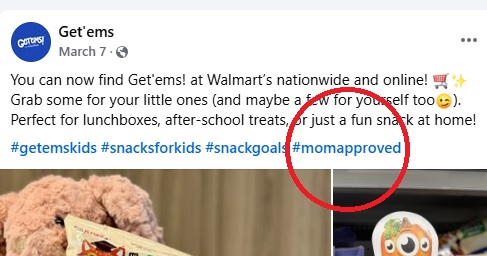
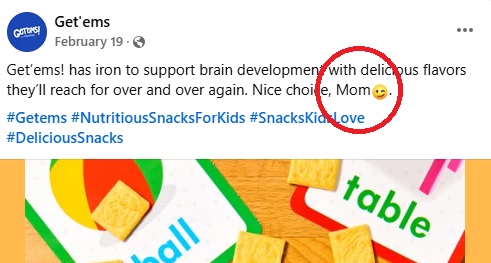
Gerber launched a new product line for toddlers called Get ‘Ems – small, poppable snacks designed for little hands and on-the-go parents. The concept? Smart. The packaging? Cute. The marketing? Disappointing.

If you’ve been following Gerber’s social media lately, you’ve probably noticed the trend:

  • “…made with the good stuff moms love too”
  • “…Mom’s stamp of approval”
  • “Nice choice, Mom”
  • #momapproved

The implication is loud and clear: when it comes to feeding toddlers, Gerber sees moms – not parents – as the default audience.

This kind of gendered marketing isn’t new. But it’s especially disheartening coming from a legacy brand like Gerber, which has the reach and influence to shape how we think about modern parenting. In 2025, we should be past this old-fashioned stereotype.

The truth is: dads buy snacks too. Dads do school pickup. Dads pack the diaper bag, prep meals, and handle snack time in the minivan.

Dads aren’t fringe players in the parenting game – they’re in it, every day, just like moms.

So when a major brand rolls out a new product and makes a big splash across Instagram, TikTok, and Facebook with mom-only messaging, it sends a signal. Not just to fathers, but to kids, and to the culture at large: “Only certain customers matter.”

But here’s the thing: parenting isn’t a marketing niche carved out just for women. It’s a shared experience that deserves inclusive language and thoughtful messaging.

Imagine if Gerber said:

  • “…made with the good stuff parents love too”
  • “…A parent’s stamp of approval”
  • “Nice choice, Mom & Dad”
  • #parentapproved

Not only would that resonate with modern families – it would reflect the reality of how parenting works now. Tradition runs deep, but that’s no excuse to keep leaving dads out of the frame.

Brands like Gerber have an opportunity (and frankly, a responsibility) to lead with messaging that reflects today’s diverse parenting landscape. Because the more dads feel seen, that’s good for everyone – kids included – because it strengthens families. And for companies, it maximizes ROI.

Gerber, we’ve been through this before, so here’s a tip: Next time you’re brainstorming social media posts, try ones that don’t assume who’s doing the snack run.

Dads see the Get ‘Ems. They just want to be seen, too.

Making Memories While Shopping With Children

There are plenty of parents who denounce shopping with kids – the begging, the meltdowns, spilled food, bickering, maybe even lost children – but the truth is that kids want their parents’ time.

Dads seek the same thing moms do during their shopping experience, and that’s building a closer connection with their kids.

So, fear not fellow shoppers – with a little bit of preparation, organization and well-established, realistic expectations, a visit to the store can strengthen bonds between parents and children. As for the products you buy, it can even increase product and brand loyalty.

Behavioral issues result in stores mostly because children are bored. Kids end up not being invested in the task at hand the way adults are: completing the to-buy list, watching the budget and reading nutrition labels.

No matter how young they may be, children can have an active role in shopping, even if it means playing a shopping game, helping to find items on the shelf, or simply weighing the items on the produce scales. It’s those actions that can make children feel a valid part of contributing to a family through problem solving. It teaches them to be patient during those times in life while forced to wait or do things they’d rather not. It delays instant gratification and builds self-control when things don’t always go one’s way – all essential life skills, particularly ones used later as parents.

Simply put, shopping as a family with the children can make a simple chore an event. And if you’re still not convinced that taking children to the store is your idea of fun, consider this: you certainly don’t remember all of the meals your parents cooked for you as children, but you do know that the food provided you with nourishment, contentment, energy and nutrition. It helped you grow, and you treasure the memories of sharing mealtime together.

The same can be said for shopping with children. Yes, it’s a menial task that could bring out the worst in you, but examined with a different perspective, that same task can become one of many fond experiences for your kids. Besides, if you are inflicted with that added guilty feeling that you might not be spending enough quality time with your kids, shopping creates another opportunity to strengthen and enhance the parent-child relationship.

These shopping experiences strengthen bonds with parents and siblings, but believe it or not, it also builds product and brand loyalty with kids. For those of us who grew up using a certain product or brand there’s great comfort in using the same products of our youth. It affords a dependable, trustworthy feeling to enjoy the same products once used as children. But imagine the stronger allegiance to a brand that one purposely chooses at a very young age – and then continues using it for life.

There’s a lot to like about that unique scenario if you’re a marketer. It makes reaching those young children-turned-adults much easier, and they’re far more bankable as lifelong customers. After all, numerous studies have shown that children wield heavy influence on their parents’ purchasing activity, and dads, in particular, have a propensity to purchase treats for rewards, to indulge loved ones, or yes, even to avoid in-store meltdowns. Marketers who can accurately target and influence dads as well as the children who accompany them will have much better odds at keeping them as customers for a lifetime.

So the next time you head out to the store, bring the kids along, and someday they’ll pass on those fun memories to their children.

What Do These Photos Say About Dads?

If a picture is worth a thousand words, then we’re all wasting a lot of time writing.

Take a look at the print ad copy around you. That’s right – go ahead, pick up a magazine.

Companies spend millions with ad agencies to promote something in order to sell, but the images arguably do more than the writing.

And that leads us to the curious use of dads in marketing. Fathers aren’t used very often to sell parenting products, but when they are, it’s not always in a glamorous light.

Check out this TV news story photo (right) which tried to use lighthearted humor while an expectant dad shopped for baby items, but instead made him look inept and clueless as if he didn’t know how to operate a baby wrap.

Look at this parenting story from a lunch meat maker, where a young child cowers and hides from a father that comes across as overpowering and cruel.

Here’s another of a dad-to-be that’s seen admonishing his expectant wife.

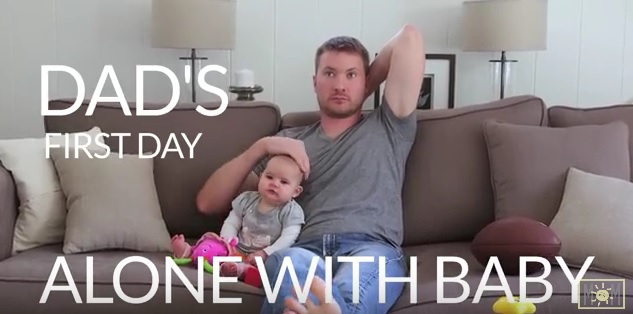
Or check out this one accompanied by a headline that questions dad’s ability to be left alone with the child. One can only assume the dad here is indulging in TV first while tending to his child second.

Each story was well-intentioned, but what does this type of imagery do for the institution of fatherhood? What messages are these sending to our children? To spouses? To teachers? To neighbors?

Marketing has a duty to sell, but how is it shaping society-at-large with images like these? At best, it’s motivating only half of the parenting duo and distancing everyone else from men, making them to be less appealing as consumers and legitimate parents.

The next time you see advertising directed to the parenting community, don’t look at the words – look at the photos and ask yourself if they’re showing dad’s best side.

Ask mom how she feels about dad’s exclusion

Getting marketing and media to be more inclusive of fatherhood has many key factors.

Of course, the obvious consequence of ignoring dad is the degradation of fatherhood.

Yet there is another area of concern involving all of parenthood, particularly mothers.

photo-of-a-happy-family-3763578

Continuing to portray dads as incompetent shoppers, substitute parents for moms, or part-time sidekicks is an insult to moms.

It questions the mom’s choice she made to become a professional woman.

It’s she who desires to focus on providing the best for her family and reaching her utmost career potential instead of staying at home with the kids.

It also belittles her decision to marry the man she chose to be her husband and father of their children. No matter how you add it up, the commutative law of addition still yields the same result.

Motherhood + fatherhood or fatherhood + motherhood = both equal parenthood.

The good news is company and marketing executives have the power to change how they view dads as parents, as well as consumers of products and services.

Even better news is that dads continue to be an evolving and growing target market.

Ask mom how she feels about dad being excluded.

You might be surprised how much it affects her.

How marketing to dad affects the workplace

If dad is prominently featured in the marketing of products and services all around us, it then becomes the normalized state. Genders will be viewed without favoritism, but rather with impartiality, while still welcoming and honoring the valuable differences among us. No longer will it be mom versus dad. Judgment will vanish from our speech. The approach toward work and play will change, and society is destined to benefit.

There are many reasons why including dads in marketing makes sense financially and morally, but the case to do so goes far beyond inclusion, equality, and profit. Though all very noble objectives, it has abundant meaning for humanity as it can streamline the way society is developed. Consider the range of ways that marketing to dad can have a far reaching positive impact it can have, but one overlooked area is in the workplace.

adult-blur-businessman-927022

Companies who place a value on dads in the workforce are directly upholding the human value of its employees. With labor-cost as one of the top expenses in any company, one can’t help but wonder if too much focus is placed on output to the exclusion of the person doing the work.

In other words, those are people sitting at those desks and work stations – are businesses putting them first, above the work itself? Are they valued as the greatest resource in the company? Are there enough policies in place that value them as parents?

There should be provisions for a family-first culture through parental leave, flex time, compressed work weeks, remote work, job sharing, and more. These indirect, non-monetary benefits help to motivate and retain current employees, as well as attract new talent. These policies can easily result in more productive employees who are inspired to share even more of themselves and their abilities at work. Never forget that when employees resign, they typically don’t quit the work, they quit the employer.

The impacts don’t end there. Employees who have a positive work experience will share it through their personal social media outlets. They will spread the goodwill of a company culture that caters to dads who place family first. Every single employee – regardless of title or department – can serve as a brand ambassador. And other companies like to do business with like-minded companies of the same beliefs.

If your company doesn’t place importance on dad, that word will get around, too. You may feel or think the negative banter doesn’t go much farther than the proverbial locker room, but destructive words spread faster with the growth of social media.

The case for marketing to dads

Marketing to dads is a way to motivate and challenge dads to create a higher standard of parenting involvement with their children.

As the expectations for greater parental involvement increases in professional and personal lives, dads will also spend more time with children. A prime example is the participation in dads’ clubs. Dad’s involvement at school does not diminish productivity and/or quality of work at the dads’ place of employment. A happy dad makes for a more productive and happy employee.

affection-children-dad-1470109.jpg

A dad’s involvement also means less time that children remain supervised by a television, video game, or worse, surfing the Internet alone. Instead it means more time in the care of a dad who loves them.

The truth is that the current generation of children are the future business professionals who will champion marketing messages, journalists who will shape our attitudes, teachers who will instruct the next generation, doctors who will perform surgeries years from now, and leaders who will be voted upon someday. These children will more than likely also become parents. This makes this task of marketing to dads both very public and very necessary to building stronger families. And today’s generation of parents are their role models!

The case can be made that our very health depends on it, too. Health and wellness begins with parents at the birth of their children. When health care professionals consider dads as equal parents, they allow dads to get even more immersed in their child’s well-being. This could be as simple as calling dads by name in waiting rooms, speaking to and making eye contact with dads in appointments, or reminder calls that address both parents. It could also mean that companies allow employees greater flexibility for both parents to simply attend child well-check visits.

The overall parenting community itself also stands to benefit greatly by including dads in marketing. Rather than pitting one parent’s expertise as superior to another, parents will see each other as allies and not as adversaries who are competing with one another. Dads won’t feel like outsiders, and that improved unity means everyone will work together more effectively and learn from one another. Unity between moms and dads will also help online parenting websites expand and deepen their discussions about store brands, schooling, medicine, nutrition, or simply seeking general parenting advice.

It’s a positive sign when moms and dads work to build greater unity and more cohesive parenting – and it will leave a better parenting legacy for children.

Don’t formula makers realize that dads feed babies, too?

No matter how often we view it, it’s always a surprise to see formula makers ignore dads as equal parents. Dads can’t physically breastfeed, but they certainly can formula feed. And they buy formula. A lot of it.

enfamil5

As such, one would think dads should be huge targets for laser-focused marketing that capitalizes on the influence of fathers and formula feeding. Dads could be the primary ambassadors for a product that formula makers could woo in order to assist them in promoting healthy formula feeding.

Nope. Almost every formula manufacturer still disregards dads as parents who feed babies. Take a look at the site revamp of Enfamil, where you’ll find a bit of irony on its Better Together page.

First, it exclaims: “The world outside is full of things that divide us.” Yep, things like websites — and marketing campaigns, hashtags, imagery and menu tabs. In fact, there isn’t much to find that’s inviting on its site for fathers looking for content about the products they’re using to feed their children.

Second, it indicates that “…we are raising the next generation of extraordinary men and women.” Also true. But these eventual extraordinary men will be disregarded upon becoming dads by the very company that celebrates them.

Third, it speaks of “uniting” throughout its website. Um, right. Most of it looks like a divide. Dads are creating, expecting, growing, feeding and nurturing babies every bit as moms, but you wouldn’t know that by looking at the Enfamil site.

Perhaps Enfamil could invite some of its paying customers to talk about their experiences as parents.

Enfamil won’t have to look far. Those customers are the same ones who get up in the night and take on feedings whenever needed. They’re the ones who read nutrition labels and care about exactly what they’re feeding their children. They’re the ones who want support and want to share it. They’re the ones who work at a job that helps to pay for the formula.

They’re dads.