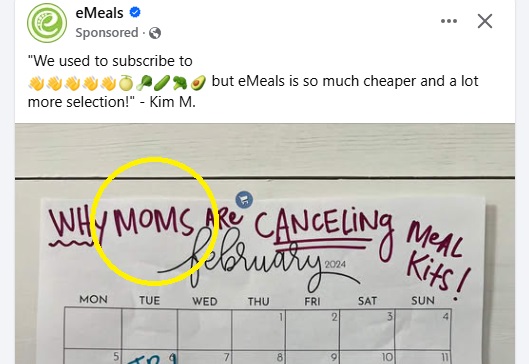
Why Doesn’t Marketing See Dads as Actual Parents? (We’re Looking at You, Meal Kits)

Some like to criticize the movie industry for endless sequels and franchise remakes. It’s a safe approach to cashing in, but it doesn’t advance the art form and allow it to move forward.

Marketing and media play the same game. They ignore dads, turning to the same strategy that insists moms are in charge despite knowing that things are different now.

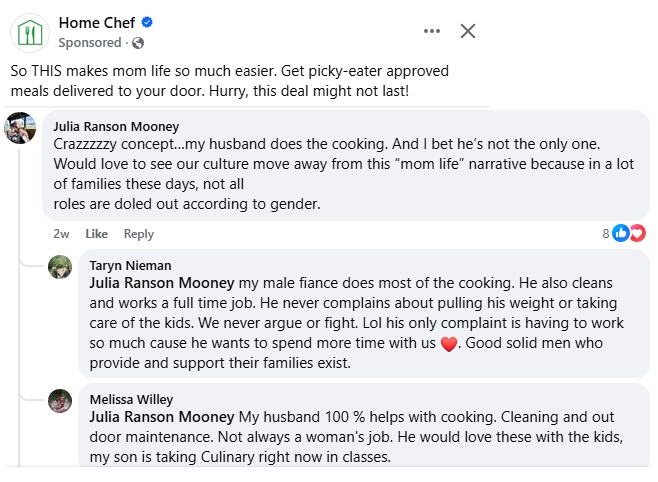
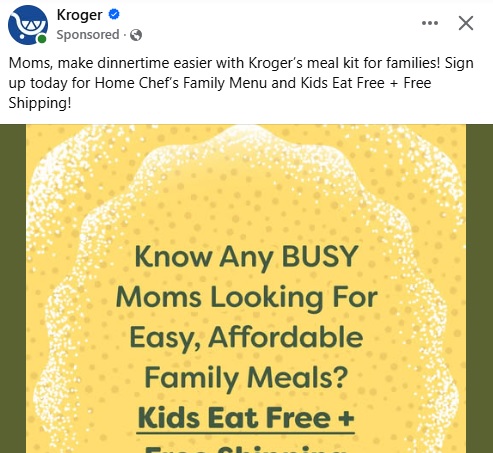
That’s because in today’s modern families, dads are equal, competent co-handlers of the household. They cook, shop, schedule, pack lunches, run laundry, and juggle the same mental load that moms do. Yet if you look at mainstream marketing, especially with regard to meal kits, the messaging is still stuck in the past: moms as the default parent, dads as either absent or comic relief.

So Why Hasn’t Marketing Caught Up?
First, there’s inertia. For decades, the advertising playbook relied on gendered roles, portraying moms as the domestic managers and dads as the weekend warriors. That framework gets recycled because it’s considered safe and familiar.

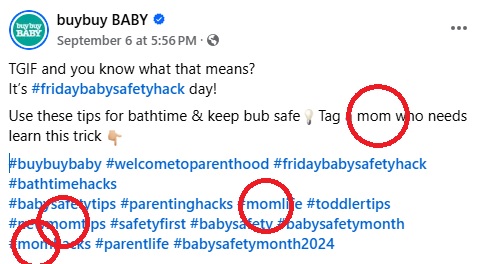
Second, social media has reinforced the gap. Hashtags like #MomLife or #MomHack have worked before, so brands lean into them for visibility. Meanwhile, dad-focused parenting communities – though vibrant – don’t get the same mainstream amplification.

Finally, there’s risk aversion. Marketers sometimes assume talking to dads in domestic roles is niche, when in fact it reflects a massive cultural shift. Younger generations of parents expect to see themselves represented as equals, and ignoring dads is not just outdated – it’s a missed market opportunity.
Want to Profit? Leave No Stone Unturned

The reality is simple: dads today are not background characters in their homes. They’re making purchasing decisions, handling logistics, and shaping family routines right alongside moms. Brands that fail to acknowledge this look tone-deaf, while those that embrace inclusive storytelling can build stronger, more authentic connections.

Meal kits still have a lot to learn. The dads don’t shop or cook myth does an equal disservice to women by inferring that a mother’s place is in the kitchen, heaping the entire load of meal planning into their lap. Moms don’t want that stigma, either.

It’s time for marketing to catch up to modern family life. Families have changed. Shopping has changed. Kitchens have changed. The question is, will the marketing finally change, too?
Who Carries the Responsibility? Spoiler: It’s Both Parents

Culturally, society tends to assume that moms carry the emotional and domestic weight of the family. We hear it in media all the time: how exhausting motherhood is, how no one sees what moms go through, how they’re stretched too thin. And none of that is wrong. Motherhood is exhausting. The emotional and logistical juggling act is real.

But here’s what often gets left out of the conversation: Fatherhood is just as heavy, and just as invisible.

Not in a competitive way. Not to minimize anyone’s struggle. But to recognize that society still rarely asks what dads are going through. Marketing and media are nearly oblivious to it.

The Quiet Pressure Dads Feel

Today’s dads are not coasting. They’re on the front lines everyday doing school drop-offs, late-night feedings, managing bills, fixing the faucet, and still fielding work emails from the sidelines of a soccer game. They’re active partners, not just “helping out” but fully responsible for the well-being of families.

Yet they often get left out of the narrative. Their exhaustion is quiet. Their fears are often kept to ourselves. And while moms are rightly offered support and solidarity, dads are more likely to hear: “Well, that’s your job, so man up.”

It’s Not About Keeping Score

This isn’t about who has it harder. It’s about mutual understanding. When we focus only on one parent’s burden, we risk ignoring the full picture and missing the chance to support each other better.

Because if moms feel like no one understands them, and dads quietly feel the same way, maybe what parents really need is to listen to each other. To stop assuming and start asking. To admit that yes, this is hard for both parents. And it’s okay to say that out loud.

No one is supposed to carry the pressure of family life alone, neither moms nor dads. It’s supposed to be managed together.

If Buy Buy Baby Wants to Thrive, It Can’t Without Dad

Buy Buy Baby, once left for dead following its parent company’s bankruptcy in 2023, rose from the ashes late last year. At its peak it operated 137 stores across the US, but last year there were only 11 remaining. Then Bed Bath & Beyond closed them indefinitely. However, Dream On Me bought the stores via auction and has plans to resurrect the brand.

All 11 locations are slated to open in November, with over 100 more arising in the next three years. Although it had disappeared for several months, you may have noticed its online presence slowly inching back onto your social media feed.

During its initial go-around it had been a brand who included fathers in advertising more prominent than others. It also employed inclusive parenting language. Its marketing team wasn’t perfect but appeared more progressive than others in the baby world.

Now in its incarnation, Buy Buy Baby seems to have taken a step backward. Notice some of its recent posts, which tend to forget a father’s indispensable contribution to the family. It even offered an oddly timed declaration of praise toward mothers – in August.

Buy Buy Baby is moving at rapid speed to resurrect a relatively new (founded in 1996) and still unknown brand (its 111 stores were less than half of the former Babies “R” Us 260-store chain).

If it wants to survive, it must get this right in its second life.

It needs to take baby steps, and know that it can’t do this without dad.

Ask mom how she feels about dad’s exclusion

Getting marketing and media to be more inclusive of fatherhood has many key factors.

Of course, the obvious consequence of ignoring dad is the degradation of fatherhood.

Yet there is another area of concern involving all of parenthood, particularly mothers.

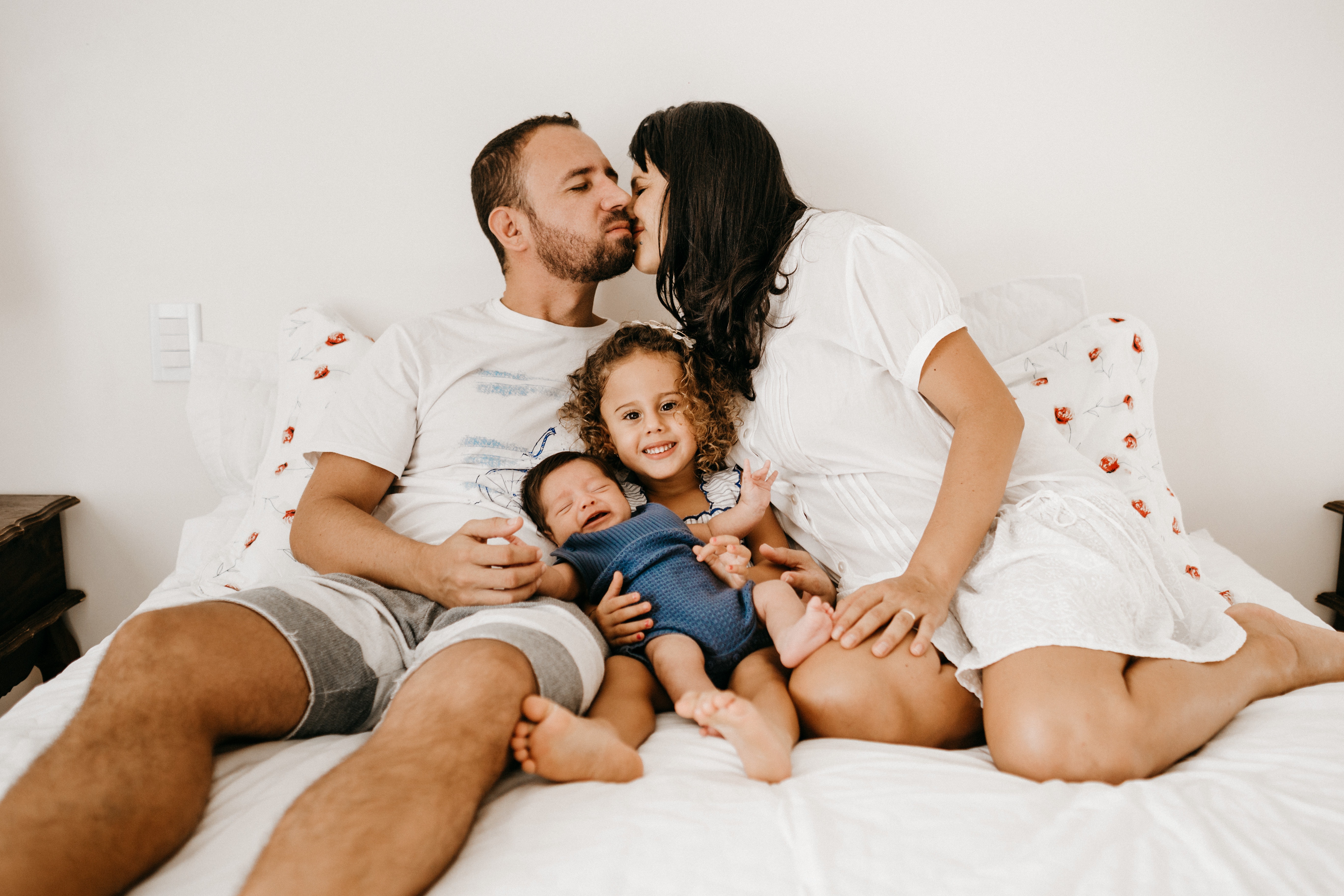
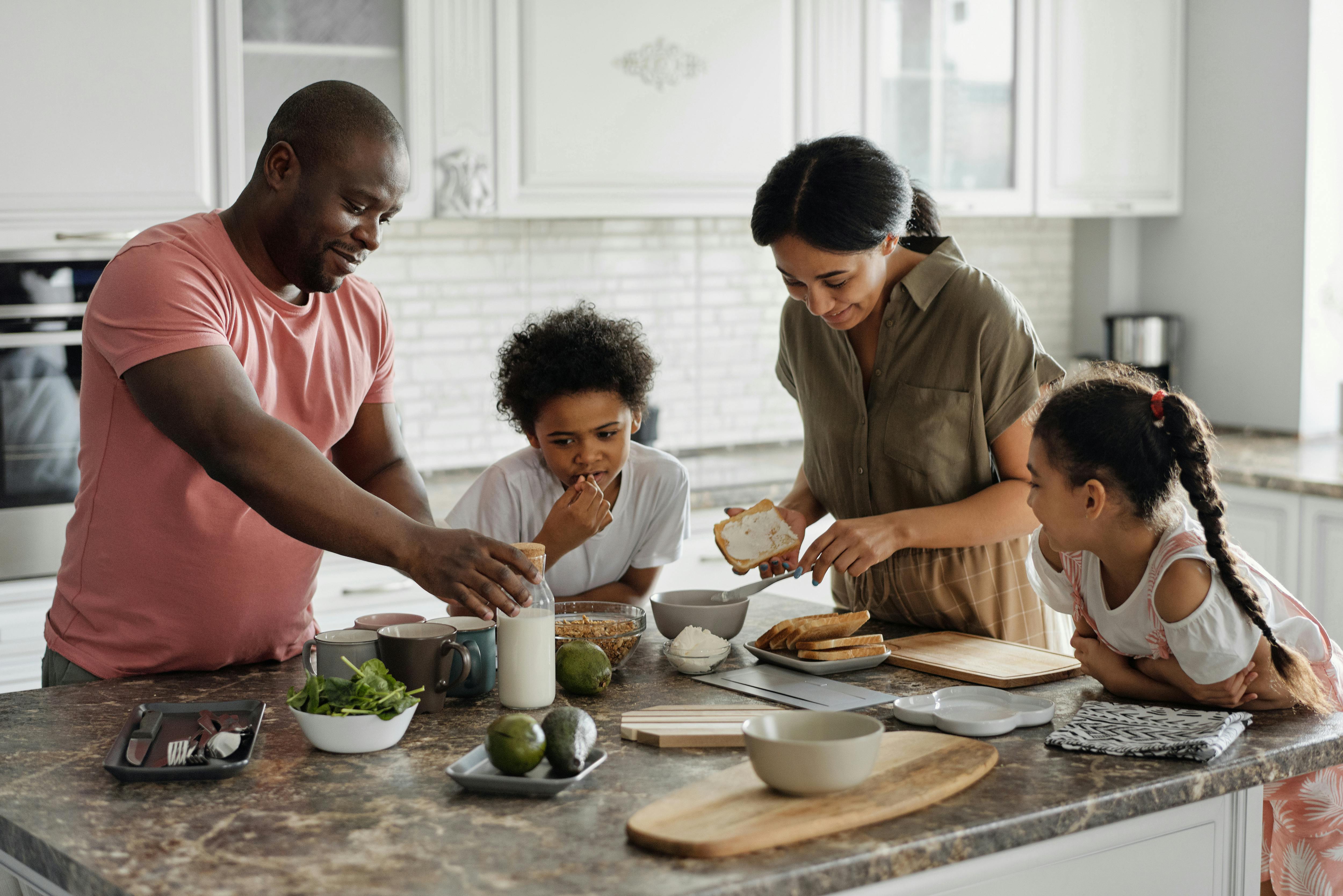
photo-of-a-happy-family-3763578

Continuing to portray dads as incompetent shoppers, substitute parents for moms, or part-time sidekicks is an insult to moms.

It questions the mom’s choice she made to become a professional woman.

It’s she who desires to focus on providing the best for her family and reaching her utmost career potential instead of staying at home with the kids.

It also belittles her decision to marry the man she chose to be her husband and father of their children. No matter how you add it up, the commutative law of addition still yields the same result.

Motherhood + fatherhood or fatherhood + motherhood = both equal parenthood.

The good news is company and marketing executives have the power to change how they view dads as parents, as well as consumers of products and services.

Even better news is that dads continue to be an evolving and growing target market.

Ask mom how she feels about dad being excluded.

You might be surprised how much it affects her.

Not all parents are moms

While it’s disappointing to find another lunch product maker ignoring dads as equally competent parents and shoppers, the latest exclusionary campaign – this time from Land O’Frost – hits dads landofrost7below the belt in a variety of ways. But you’ll have to look carefully for its greatest offense, which is buried beneath several gender-biased marketing methods.
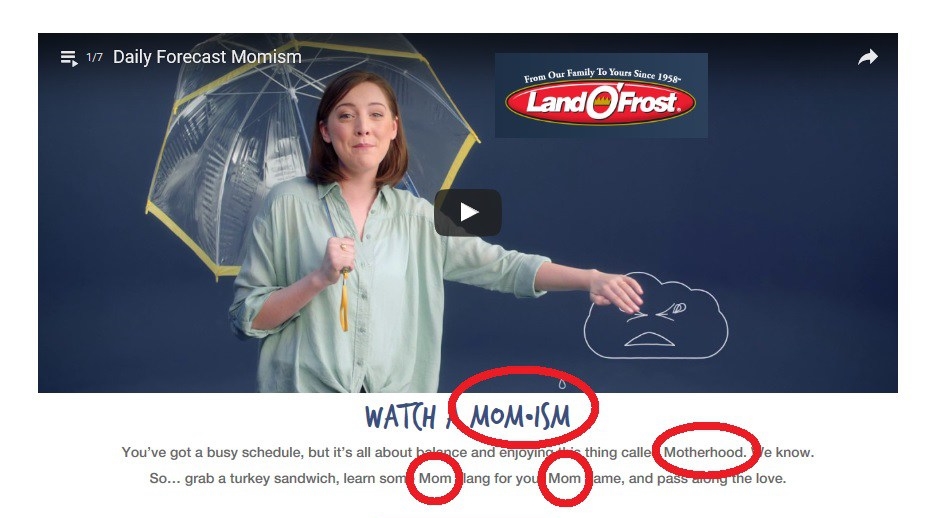
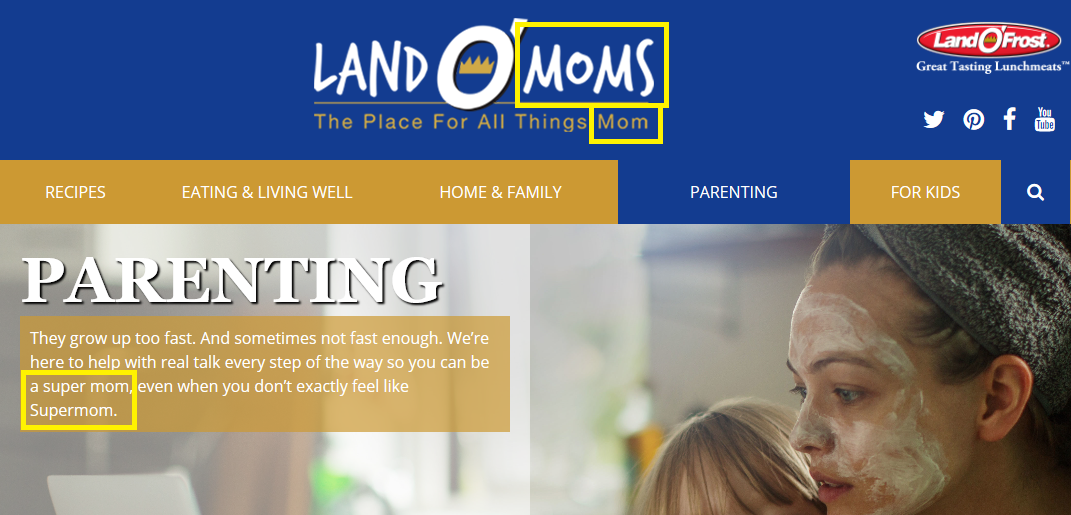
No, it’s not the spinoff webpage section which uses its company name for a play-on-words covering everything related to parenthood, er, um, motherhoodlandomoms.com.landofrost2.jpg

It’s not the numerous web graphics which speak only to moms with language like, “Ah, mom life,” or definitions of “mom-ism.” Imagine the strange vibe a dad might get who visits landofrost.com or landomoms.com, and is repeatedly having to read that he’s a “mom,” which at the very minimum makes it clear with whom the company wishes to communicate.

It’s not social media posts, which landofrost6.pngsometimes awkwardly encourage both “moms and dads” to check out its tips and recipes at its one-gender-only named site.

It’s not even the problematic trademarked pledge above its logo that insists, “From our family to yours since 1958.” Keep in mind, this is a family company headed by three consecutive dads, who one can only assume wish for dads to be treated as important as anyone else. landofrost8.png

What’s really disappointing is how the one-and-only dad imagery found on the front page of landomoms.com reveals a dad shouting and pointing at a tiny child who’s cowering on the ground, in the corner (right). Don’t dads deserve a little better than this? Does Land O’Frost really want to use its only photo of a dad in a terribly negative light? It’s not that the story’s topic itself isn’t valid – it’s a helpful topic of interest for parents – it’s just that there should be a greater quantity and quality of dad images. It would be nice to see an equal mix of genders celebrating the good in parenting, rather than furthering negative, stereotypical imagery of dads who aren’t happy, engaged, nurturing and caring parents.

That really was never true long ago, and it certainly isn’t now.

Land O’Frost seems like a fine company with quality products and strong community involvement. We say celebrate all that is good and show the nation what its story represents: how it was founded and carried on by three wonderful fathers who remained devoted to their families for generations.

What do you say, Land O’Frost? It’s not just dads and moms who are watching – it’s the kids. A renewed approach to marketing will remind future generations that family matters, and that the motto above your logo isn’t merely words.

Welcome to the ‘hood

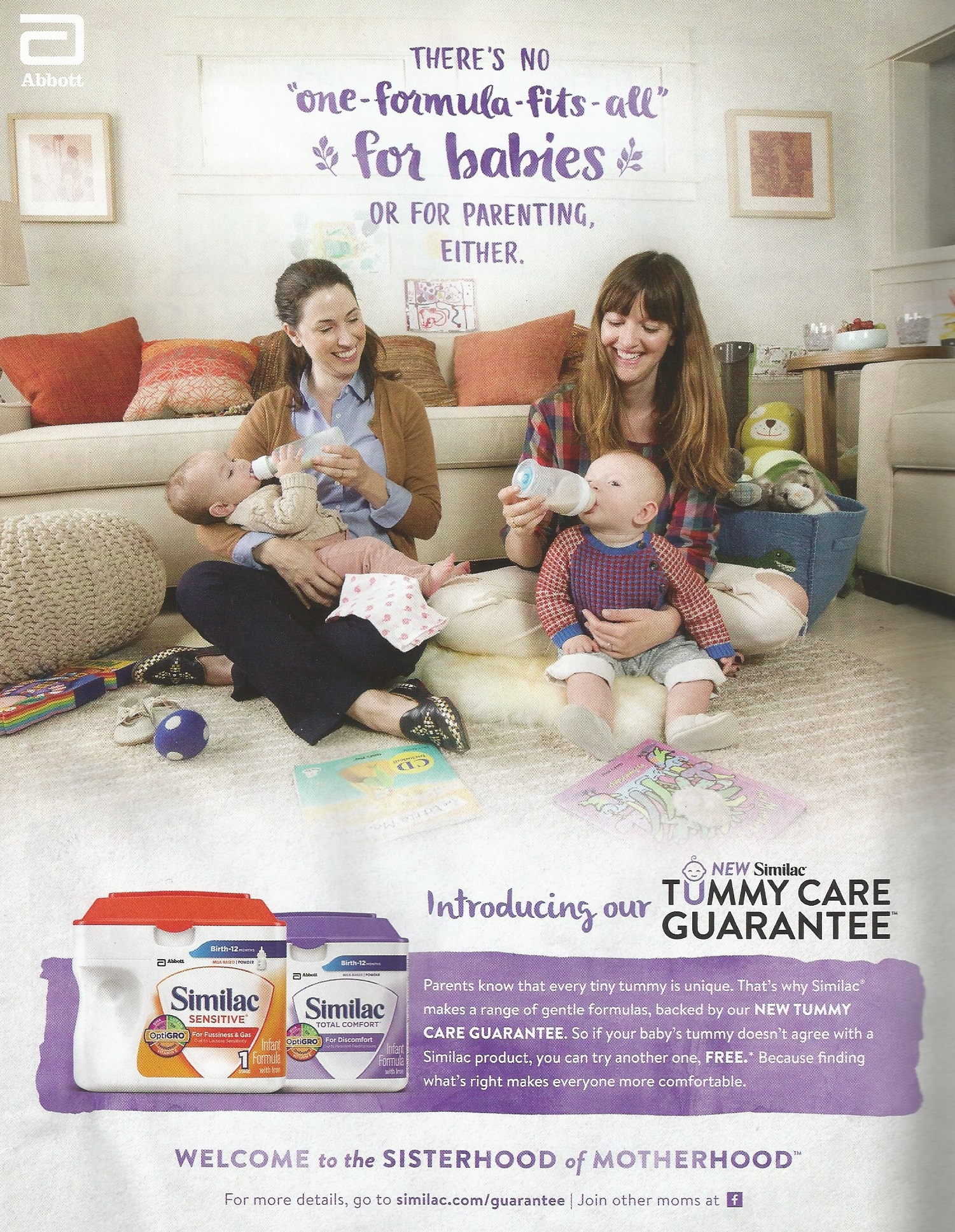
similac9Overly drenched in heaping layers of crippling irony is the headline from Similac’s latest display ad (right) which preaches, “There’s no ‘one-formula-fits-all’ for babies, or for parenting, either.”

Calling this marketing-speak odd would be an injustice to the word odd, instantly giving it a meaning never originally intended. It might just make something we all currently agree upon as odd, say, Miley Cyrus’ antics, seem almost girl-next-door normal.

Thus, we here at dadmarketing can’t call this latest advertisement odd. Rather, Similac’s ad proclamation is off-the-charts anomalous.

Here’s why: Similac, by way of its marketing message, slogan and ad copy (below), is saying that only moms are parents, yet its headline (above) tries to tell us something otherwise.

Again, did you notice the slogan from which it can’t seem to let go? “Welcome to the Sisterhood of Motherhood”? There’s nary a dad in the universe who can relate to that, and we’re talking about a product called baby formula, not breastfeeding, nor a feminine item. Dads should be every formula makers’ dream, a sure-fire built-in customer for life, but Similac doesn’t seem to want it that way.

Abbott, makers of Similac, has been touting this exclusionary “Sisterhood/Motherhood” slogan for several months now, and by it saying “there’s no one-parenting-fits all,” it sure seems to want it both ways: mild use of the word “parent” hidden behind its unilateral, sexist slogan.

Besides, check out the exhortation at the end of the ad: why would dads even bother taking Similac up on its invitation to visit Facebook?similac10

Dads aren’t moms!

It’s time to give this old-fashioned slogan a rest, and for Similac to consider that dads just might be part of its customer base, too. It’s no fun for dads to get ignored month after month. It’s campaign preaches a non-judgmental approach, but it has judged dads loud and clear:  they don’t count.

When it comes to taking care of babies, it’s not just a motherhood. It’s also a fatherhood.

And above all, it’s called parenthood.