If Baby Showers Are Becoming More Co-Ed, Why Isn’t Marketing Evolving?

Baby showers have quietly gone through a transformation. The once women-only ritual has become increasingly co-ed, with dads, uncles, brothers, and guy friends joining the guest list. Today’s expectant parents want a shared celebration that reflects a shared journey. Parenting isn’t a one-person job, and modern families know it.

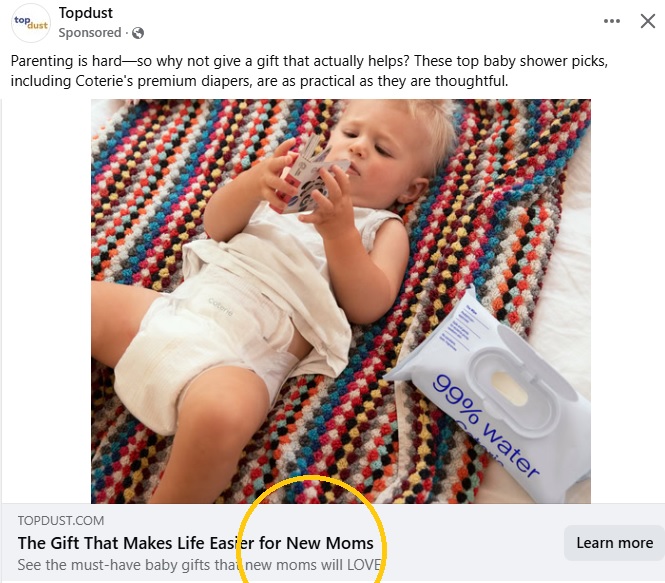
Yet dads – who are attending baby showers, building registries, installing car seats, and taking parental leave in record numbers – are treated like background characters in the story of their own children’s arrival.

So, if culture is shifting, why aren’t marketers keeping up?

Co-ed baby showers should have been marketers’ wake-up call. When dads show up to the party, literally and figuratively, it’s a sign that the consumer landscape has changed. Dads buy gear. Dads research products. Dads choose strollers and sign up for loyalty programs. Brands love “emerging markets,” yet somehow miss the one happening right under their noses: dads who are involved, intentional, and there for their kids.

So why the disconnect? Because outdated narratives are comfortable. Because marketers still default to 1995 personas. Because cultural shortcuts – “Mom is the caregiver; Dad is the helper” – die hard in social media circles and marketing channels where those in command like to play it conservative.

But here’s the opportunity: Co-ed baby showers aren’t just a trend; they’re a signal. They reflect what parenting looks like today, not what it used to be. Marketers who embrace this shift will speak to both parents, honor modern families, and expand their reach.

If dads are already active and present, brands should do the same. It’s time to evolve with the times or risk getting left out of the party.

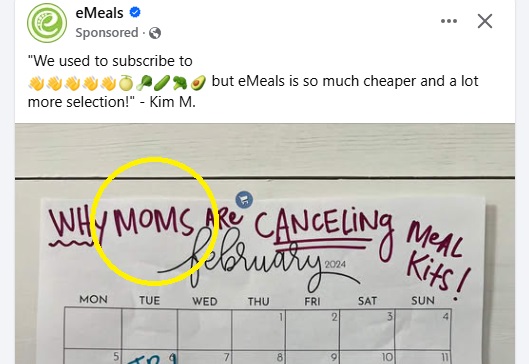
Why Doesn’t Marketing See Dads as Actual Parents? (We’re Looking at You, Meal Kits)

Some like to criticize the movie industry for endless sequels and franchise remakes. It’s a safe approach to cashing in, but it doesn’t advance the art form and allow it to move forward.

Marketing and media play the same game. They ignore dads, turning to the same strategy that insists moms are in charge despite knowing that things are different now.

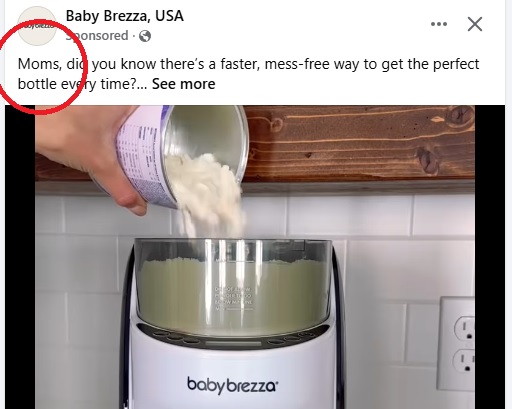
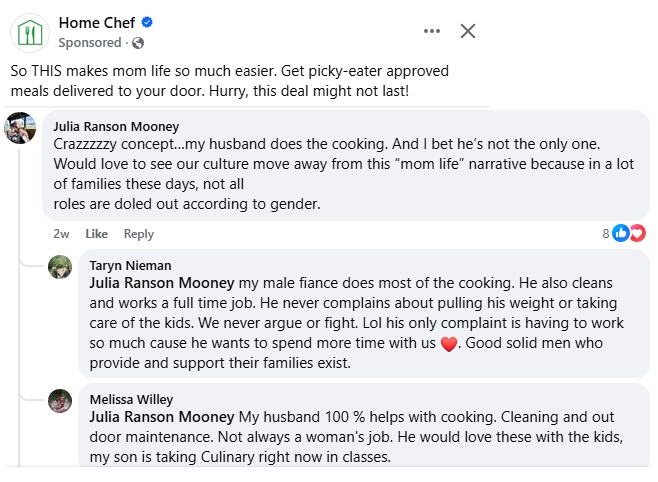
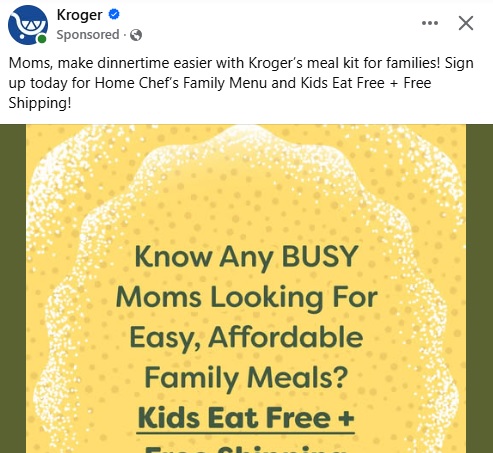
That’s because in today’s modern families, dads are equal, competent co-handlers of the household. They cook, shop, schedule, pack lunches, run laundry, and juggle the same mental load that moms do. Yet if you look at mainstream marketing, especially with regard to meal kits, the messaging is still stuck in the past: moms as the default parent, dads as either absent or comic relief.

So Why Hasn’t Marketing Caught Up?

First, there’s inertia. For decades, the advertising playbook relied on gendered roles, portraying moms as the domestic managers and dads as the weekend warriors. That framework gets recycled because it’s considered safe and familiar.

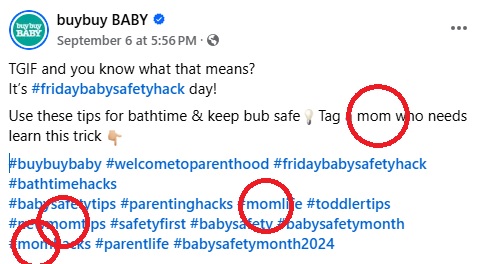
Second, social media has reinforced the gap. Hashtags like #MomLife or #MomHack have worked before, so brands lean into them for visibility. Meanwhile, dad-focused parenting communities – though vibrant – don’t get the same mainstream amplification.

Finally, there’s risk aversion. Marketers sometimes assume talking to dads in domestic roles is niche, when in fact it reflects a massive cultural shift. Younger generations of parents expect to see themselves represented as equals, and ignoring dads is not just outdated – it’s a missed market opportunity.

Want to Profit? Leave No Stone Unturned

The reality is simple: dads today are not background characters in their homes. They’re making purchasing decisions, handling logistics, and shaping family routines right alongside moms. Brands that fail to acknowledge this look tone-deaf, while those that embrace inclusive storytelling can build stronger, more authentic connections.

Meal kits still have a lot to learn. The dads don’t shop or cook myth does an equal disservice to women by inferring that a mother’s place is in the kitchen, heaping the entire load of meal planning into their lap. Moms don’t want that stigma, either.

It’s time for marketing to catch up to modern family life. Families have changed. Shopping has changed. Kitchens have changed. The question is, will the marketing finally change, too?

Why Leaving Out Dad Hashtags is a Strategic Miss in Parenting Marketing

Hashtags aren’t quite the powerhouse they were in the early Instagram/Twitter days, but they are also more than throwaway add-ons. They’re signals of who a brand sees, values, and wants to engage with, and yet it’s common to see posts stacked with #momlife while #dadlife is nowhere in sight – even when the product itself is completely gender-neutral.

Take this post (right) from Amara Organic Foods, which excludes dads throughout its list of 24 hashtags. At first glance, this might seem harmless. But strategically, it’s a mistake. Here’s why.

Reinforcing Outdated Stereotypes

For decades, marketing has defaulted to “mom as the parent,” assuming mothers make all the household decisions. While moms are important, today’s parenting is far more balanced. Leaving dads out not only misrepresents reality but also reinforces the very stereotypes many consumers want brands to move beyond.

Missing Half the Market

We all know today’s dads are engaged: cooking, caregiving, shopping, and searching for parenting hacks online. Excluding dad hashtags sends the signal that a brand isn’t speaking to them. That weakens loyalty and narrows the potential audience.

Analytics Blind Spots

Some teams argue that moms dominate their current follower base, hence the reason why they push messages to them. But this becomes a self-fulfilling loop: if you never tag dads, you’ll never reach them. Inclusive hashtags expand reach and help build communities that reflect the real makeup of your customer base.

Brand Perception and Inclusivity

Consumers notice when brands ignore inclusivity, and today’s families want to see themselves represented accurately. A feed that skews exclusively toward moms – or sounds like it was written by one gender – looks tone-deaf, even when unintentional.

The fix is simple: use a balanced mix of parenting hashtags that acknowledge all caregivers. Inclusivity isn’t just good ethics, it’s good marketing. Companies that recognize dads in the parenting conversation will expand their reach, strengthen brand trust and stand out in a crowded market.

Who Carries the Responsibility? Spoiler: It’s Both Parents

Culturally, society tends to assume that moms carry the emotional and domestic weight of the family. We hear it in media all the time: how exhausting motherhood is, how no one sees what moms go through, how they’re stretched too thin. And none of that is wrong. Motherhood is exhausting. The emotional and logistical juggling act is real.

But here’s what often gets left out of the conversation: Fatherhood is just as heavy, and just as invisible.

Not in a competitive way. Not to minimize anyone’s struggle. But to recognize that society still rarely asks what dads are going through. Marketing and media are nearly oblivious to it.

The Quiet Pressure Dads Feel

Today’s dads are not coasting. They’re on the front lines everyday doing school drop-offs, late-night feedings, managing bills, fixing the faucet, and still fielding work emails from the sidelines of a soccer game. They’re active partners, not just “helping out” but fully responsible for the well-being of families.

Yet they often get left out of the narrative. Their exhaustion is quiet. Their fears are often kept to ourselves. And while moms are rightly offered support and solidarity, dads are more likely to hear: “Well, that’s your job, so man up.”

It’s Not About Keeping Score

This isn’t about who has it harder. It’s about mutual understanding. When we focus only on one parent’s burden, we risk ignoring the full picture and missing the chance to support each other better.

Because if moms feel like no one understands them, and dads quietly feel the same way, maybe what parents really need is to listen to each other. To stop assuming and start asking. To admit that yes, this is hard for both parents. And it’s okay to say that out loud.

No one is supposed to carry the pressure of family life alone, neither moms nor dads. It’s supposed to be managed together.

Dreft’s Checklist: Why Is Dad Left Out?

When it comes to preparing for a new baby, brands love to be part of the journey. They offer checklists, guides, and must-have products to make the transition smoother. But sometimes they miss a crucial part of the equation: dad.

Take Dreft, the well-known baby laundry detergent brand. On their website, they offer a guide titled “Hospital Bag Checklist for Mom and Baby.” Sounds helpful, right? Except for one glaring omission – dad isn’t mentioned.

Why does this matter?

The title alone sends a message: preparing for birth is a two-person job, but only one person matters. While moms undeniably do the heavy lifting by way of pregnancy and birth, dads are deeply involved in the preparation, support and care. Whether it’s packing essentials, coaching through labor, or being the first to snuggle their newborn, dads aren’t just background characters in this story.

By excluding dads, brands reinforce outdated narratives – ones where fathers are either optional or unprepared. But in reality, modern dads are alive, active and well. They’re hands-on, and they deserve recognition for their role as equal parents.

How brands can do better

Dreft, and brands like it, have an opportunity to shift the narrative. Instead of assuming dads don’t need a hospital checklist, why not include them? A simple “Hospital Bag Checklist for Parents and Baby” would be a step in the right direction.

In the section about support people, they don’t employ the words “dad” or “father” anywhere on the page. By making small tweaks to their messaging, brands can embrace the fact that parenting isn’t just a mom thing – it’s a dad thing, too. Better yet, it’s a team effort.

Dads are ready. Are brands?

Dreft’s exclusion of dads in something as simple as a hospital bag checklist is a small but telling sign of a bigger problem. Fathers are competent, involved parents, and it’s time for brands to acknowledge it.

So, Dreft – how about a quick edit? Because in 2025, dad shouldn’t be an afterthought.

If Buy Buy Baby Wants to Thrive, It Can’t Without Dad

Buy Buy Baby, once left for dead following its parent company’s bankruptcy in 2023, rose from the ashes late last year. At its peak it operated 137 stores across the US, but last year there were only 11 remaining. Then Bed Bath & Beyond closed them indefinitely. However, Dream On Me bought the stores via auction and has plans to resurrect the brand.

All 11 locations are slated to open in November, with over 100 more arising in the next three years. Although it had disappeared for several months, you may have noticed its online presence slowly inching back onto your social media feed.

During its initial go-around it had been a brand who included fathers in advertising more prominent than others. It also employed inclusive parenting language. Its marketing team wasn’t perfect but appeared more progressive than others in the baby world.

Now in its incarnation, Buy Buy Baby seems to have taken a step backward. Notice some of its recent posts, which tend to forget a father’s indispensable contribution to the family. It even offered an oddly timed declaration of praise toward mothers – in August.

Buy Buy Baby is moving at rapid speed to resurrect a relatively new (founded in 1996) and still unknown brand (its 111 stores were less than half of the former Babies “R” Us 260-store chain).

If it wants to survive, it must get this right in its second life.

It needs to take baby steps, and know that it can’t do this without dad.

Making Memories While Shopping With Children

There are plenty of parents who denounce shopping with kids – the begging, the meltdowns, spilled food, bickering, maybe even lost children – but the truth is that kids want their parents’ time.

Dads seek the same thing moms do during their shopping experience, and that’s building a closer connection with their kids.

So, fear not fellow shoppers – with a little bit of preparation, organization and well-established, realistic expectations, a visit to the store can strengthen bonds between parents and children. As for the products you buy, it can even increase product and brand loyalty.

Behavioral issues result in stores mostly because children are bored. Kids end up not being invested in the task at hand the way adults are: completing the to-buy list, watching the budget and reading nutrition labels.

No matter how young they may be, children can have an active role in shopping, even if it means playing a shopping game, helping to find items on the shelf, or simply weighing the items on the produce scales. It’s those actions that can make children feel a valid part of contributing to a family through problem solving. It teaches them to be patient during those times in life while forced to wait or do things they’d rather not. It delays instant gratification and builds self-control when things don’t always go one’s way – all essential life skills, particularly ones used later as parents.

Simply put, shopping as a family with the children can make a simple chore an event. And if you’re still not convinced that taking children to the store is your idea of fun, consider this: you certainly don’t remember all of the meals your parents cooked for you as children, but you do know that the food provided you with nourishment, contentment, energy and nutrition. It helped you grow, and you treasure the memories of sharing mealtime together.

The same can be said for shopping with children. Yes, it’s a menial task that could bring out the worst in you, but examined with a different perspective, that same task can become one of many fond experiences for your kids. Besides, if you are inflicted with that added guilty feeling that you might not be spending enough quality time with your kids, shopping creates another opportunity to strengthen and enhance the parent-child relationship.

These shopping experiences strengthen bonds with parents and siblings, but believe it or not, it also builds product and brand loyalty with kids. For those of us who grew up using a certain product or brand there’s great comfort in using the same products of our youth. It affords a dependable, trustworthy feeling to enjoy the same products once used as children. But imagine the stronger allegiance to a brand that one purposely chooses at a very young age – and then continues using it for life.

There’s a lot to like about that unique scenario if you’re a marketer. It makes reaching those young children-turned-adults much easier, and they’re far more bankable as lifelong customers. After all, numerous studies have shown that children wield heavy influence on their parents’ purchasing activity, and dads, in particular, have a propensity to purchase treats for rewards, to indulge loved ones, or yes, even to avoid in-store meltdowns. Marketers who can accurately target and influence dads as well as the children who accompany them will have much better odds at keeping them as customers for a lifetime.

So the next time you head out to the store, bring the kids along, and someday they’ll pass on those fun memories to their children.


Dads Don’t Need Extra Praise, Only a Smile

A dad was grocery shopping with his four young children when he crossed paths with a mom-acquaintance – and the encounter was anything but ordinary.

The mom stopped immediately, slowly stood up straight, put her hands on her hips and nodded with wide-ranging approval as she exclaimed, “I’m impressed!”

Unfortunately, this sort of encounter was nothing new. Just by way of being male, dads have been typecast as being out of their element in the grocery store, with kids in tow, and (gasp) all alone.

That mom might have been thinking: what kind of dad would confront this ordeal and actually enjoy it?

Actually, dads do. The funny thing is, they’re doing what they’re supposed to be doing: they’re being parents.

Dads and moms parent different, but that doesn’t make one better or more right than the other. Just different. That’s a good thing.

Despite these differences, all dads have one thing in common: they see parenting as central to their identity and want to be treated the same as everyone else. None of them want to be considered a hero for serving as a breadwinner and still maintaining an engaged fatherly role. They don’t want praised for braving the so-called tempest of taking kids shopping. You don’t need to applaud them when they change a diaper, clean a room, fold the laundry or merely cook a meal. And they certainly don’t want to be coddled or checked upon when they’re left alone with the baby.

All of this comes naturally to them, and there should be no questioning their might as caring or fully competent parents. Simply put, they want to be held in the same regard as anyone else.

Think about it: women are no more instinctually capable of caring for children, but it’s the media who would never let you think otherwise. Dads are equal parents in every way, shape and form.

So, if you happen to see a dad in the grocery store with kids, the best thing you can do is just smile. There’s nothing better than knowing everyone is on the same team.

Parenting Isn’t a Mindset, It’s a Vocation

Similac has long offered a StrongMoms program despite selling a product any parent can use. We’ve pointed it out in the past and received nothing in response – until now.

We replied to one of Similac’s StrongMoms social media posts with, “It’s baby formula. Why not call it StrongParents Rewards? #DadsCountToo”

Similac had a most curious response.

“While named StrongMoms, it’s really meant to be a mindset that encourages and supports all parents in the decisions they make for their families. So any caregiver who identifies with our message should feel like they can be a part of StrongMoms. We have plans to continuously improve our program for ALL caregivers, and we’ll be sure to share your feedback with our team.”

A great deal of sexism can be deduced from this three-sentence response:

1. If you’re a male, you’re not a dad – you’re a mom. Similac says that if you identify with their message of being a parent, you’re essentially a mom. Forget the fact you’re a dad or could even be a grandparent caregiver. Everyone is considered a mom in its program because mom is the default parent. Dads don’t matter.

2. Dad isn’t capable of being a caregiver. Don’t beat around the bush Similac, just say it – you don’t think dads are equally capable parents. You don’t believe dads are as good parents as moms. That why you can’t even state the word dad in your response. Of course, the truth is mothers bear no more instinctual ability to parent than fathers.

3. Let’s call a spade a spade. Why doesn’t Similac simply change the program’s name? Why can’t it employ the word parents instead of moms? Does Similac feel inclusion of the word parents would cause moms to become less interested in its products? That seems unlikely. Here’s what we do know: if your name is biased, your program is biased. If your logo is biased, your message is biased. If your photos are biased, your potential customers can’t identify with whatever message you’re trying to convey.

4. Gender equality doesn’t work both ways. Women deserve gender equality in the work force and companies wouldn’t dare suggest otherwise. Men deserve gender equality in the home but don’t get it. Promoting a mindset where dads aren’t supported in name isn’t supporting. It’s time for change.

5. Conduct a ‘switch the name’ test. Replace the word mom with dad to see how it reads and whether or not it might exclude. If so, it might be time to consider a more inclusive name. When a company doesn’t recognize and see the value of the man a woman chose to be her husband and father of their children, that could very well be insulting to moms, too.

Is This Really a ‘Parents’ Magazine?

Parents Magazine has provided much inspiration for our recent social media posts. For a magazine that purports to be for “parents,” its readers and the parenting community might insist otherwise. But don’t take our or others’ words for it. Check out Parents Magazine’s very own content and you be the judge.

Dads love making and serving their kids healthy snacks, too. Why does Parents Magazine insist on making mom look like the only one who cares about nutrition?

This is another example of a headline that makes mom out to be the lead parent.

Don’t dad-tested discipline tricks work? “Parent-tested” would have been much more appropriate.

Here’s a way to increase male readership — mention them, involve them, ask them, survey them, talk about them. There’s no better way to engage someone with your mission than to make them feel like they matter.