Why Doesn’t Marketing See Dads as Actual Parents? (We’re Looking at You, Meal Kits)

Some like to criticize the movie industry for endless sequels and franchise remakes. It’s a safe approach to cashing in, but it doesn’t advance the art form and allow it to move forward.

Marketing and media play the same game. They ignore dads, turning to the same strategy that insists moms are in charge despite knowing that things are different now.

That’s because in today’s modern families, dads are equal, competent co-handlers of the household. They cook, shop, schedule, pack lunches, run laundry, and juggle the same mental load that moms do. Yet if you look at mainstream marketing, especially with regard to meal kits, the messaging is still stuck in the past: moms as the default parent, dads as either absent or comic relief.

So Why Hasn’t Marketing Caught Up?
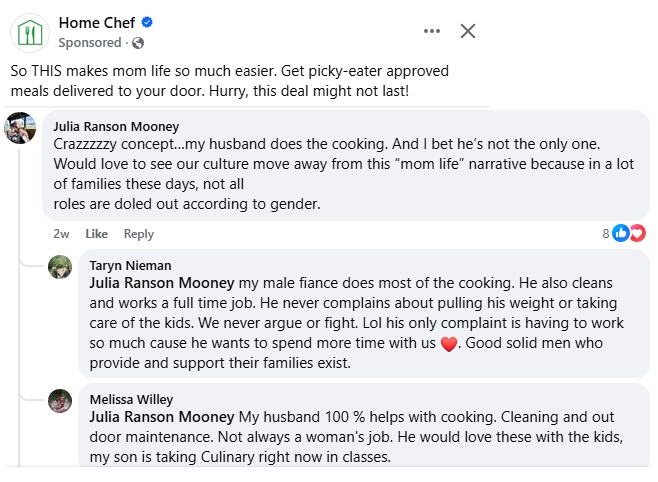
First, there’s inertia. For decades, the advertising playbook relied on gendered roles, portraying moms as the domestic managers and dads as the weekend warriors. That framework gets recycled because it’s considered safe and familiar.

Second, social media has reinforced the gap. Hashtags like #MomLife or #MomHack have worked before, so brands lean into them for visibility. Meanwhile, dad-focused parenting communities – though vibrant – don’t get the same mainstream amplification.

Finally, there’s risk aversion. Marketers sometimes assume talking to dads in domestic roles is niche, when in fact it reflects a massive cultural shift. Younger generations of parents expect to see themselves represented as equals, and ignoring dads is not just outdated – it’s a missed market opportunity.
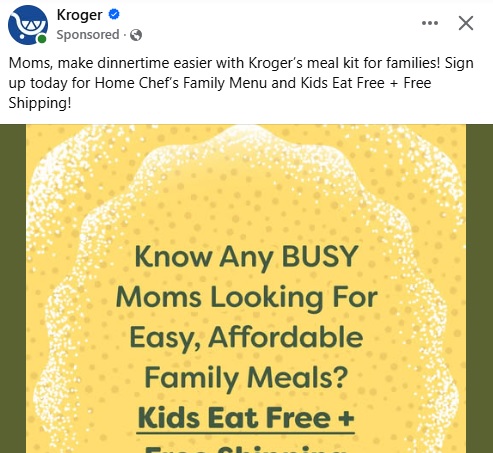
Want to Profit? Leave No Stone Unturned

The reality is simple: dads today are not background characters in their homes. They’re making purchasing decisions, handling logistics, and shaping family routines right alongside moms. Brands that fail to acknowledge this look tone-deaf, while those that embrace inclusive storytelling can build stronger, more authentic connections.

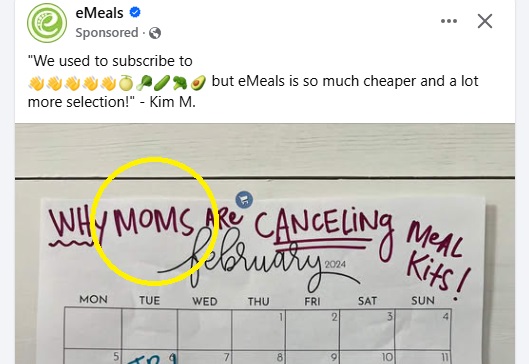
Meal kits still have a lot to learn. The dads don’t shop or cook myth does an equal disservice to women by inferring that a mother’s place is in the kitchen, heaping the entire load of meal planning into their lap. Moms don’t want that stigma, either.

It’s time for marketing to catch up to modern family life. Families have changed. Shopping has changed. Kitchens have changed. The question is, will the marketing finally change, too?
A fine ad, but what’s with Walmart Moms?

mixedsignalsIf you’ve been following this website since the beginning, you know we’ve focused on a variety of ways in which dads are portrayed in marketing, advertising and media.

We’ve featured companies, media channels, sports, entertainment avenues, service organizations, as well as some general ideas of our own.

When it comes to the products we buy and consume every day, it is the retailers who exert immense power. Their prices affect our overall budget. They decide what’s on sale. They decide where it’s placed in the store. They shape our buying habits, and often turn items that “I want” into “I need.”

The retailer at the top of the list, of course, is none other than Walmart. With 4,779 stores nationwide, it’s responsible for $482 billion in annual sales, and no other store comes even close.

When we wrote about Walmart on January 7, we were disappointed by an ad featured in the October 2014 American Baby magazine.

walmart2But now, almost one full year after that magazine ad we discover a change in Walmart’s ways with an advertisement so impressive (featured left), it will no doubt get everyone’s attention in the retailing world. Hopefully it will turn heads and change the way others operate and market their products and services.

Check out this list of the top retailers from last year.  If you’re reading this Kroger, Costco, Target, Home Depot, et al, your friends at Walmart have officially raised the bar.

That doesn’t mean, however, that Walmart is officially the leader in dad-friendly marketing. This ad was a hit, but another part of its portfolio is a clear miss.

That’s because it still insists on offering “Walmart Moms,” a practice that wouldn’t seem so sexist if it offered a dadly counterpart. The old fashioned use of this biased name fosters the misbelief that mom is the lead parent, and dad is merely an assistant.

We call for an end to this chauvinist exercise by renaming the program “Walmart Parents.”

What do you say Walmart?

walmart5Walmart’s approach shows that it’s at odds with its own self. By offering a fantastic ad showing dad in a positive light as an involved parent, and then disregarding dad’s parental abilities through the exclusionary Walmart Mom program, it’s sending mixed signals to dads everywhere.

We’ve debunked the moms are the lead shoppers fallacy so many times over it’s hardly worth doing again, so we’ll let another group do it.

Again, Walmart here offers one quality ad and a fantastic step in the right direction. But as for Walmart Mom, it reminds us of another dad exclusionary marketing campaign that’s taken a beating this year.

Perhaps it’s time for Walmart to be proactive (like the Today Show), rather than reactive, and let dads know that they matter as consumers.