
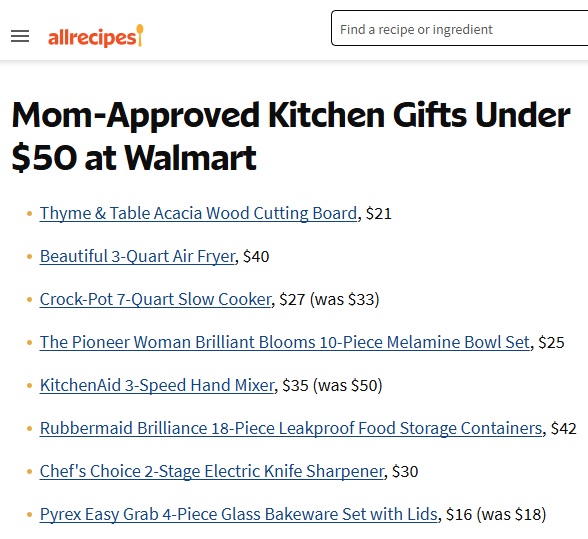
We’re a quarter through this new century, but the term “mom-approved” remains in use. It perpetuates a subtle yet significant exclusion of fathers from the parenting conversation. This exclusion is worth examining, particularly as societal norms shift toward recognizing the importance of parents as equals.
At its core, “mom-approved” is a gendered phrase that assumes mothers are the ultimate arbiters of what is best for children. This assumption reinforces the outdated stereotype that mothers are inherently more capable or involved in parenting decisions than fathers. While many mothers do play a central role in childcare, the same is true for fathers. Modern dads are indeed engaged in parenting. Yet, phrases like “mom-approved” suggest that their contributions are secondary or even invisible.

This language not only marginalizes fathers but also places undue pressure on mothers. By positioning moms as the default decision-makers, the phrase reinforces the idea that they bear the sole responsibility for their children’s well-being. This can perpetuate the “mom guilt” phenomenon, where mothers feel they must constantly prove their parenting competence, often at the expense of their mental and emotional health.
The exclusion of fathers in terms like “mom-approved” also has broader implications for how society views parenting roles. It subtly reinforces the idea that parenting is women’s work, making it harder for fathers to assert their role as equal partners. This can deter companies from creating products or services that explicitly cater to dads, further perpetuating a cycle of exclusion.

To build a more inclusive parenting culture, it’s crucial to rethink the language we use. Terms like “parent-approved” or “family-approved” are simple, gender-neutral alternatives that acknowledge the roles of all caregivers. These shifts in language might seem minor, but they can have a significant impact on breaking down stereotypes and fostering a more equitable view of parenting.
By moving away from “mom-approved” and adopting more inclusive terminology, we can celebrate the diversity of parenting experiences and ensure that all parents feel seen and valued. It’s time to recognize that the parenting world isn’t just a “mom’s club” – it’s a shared journey where everyone’s contributions matter.
 dadmarketing